9/15/2026
How to use Meta Display glasses while driving with the Audio Only feature
Filed by Ada Circuit
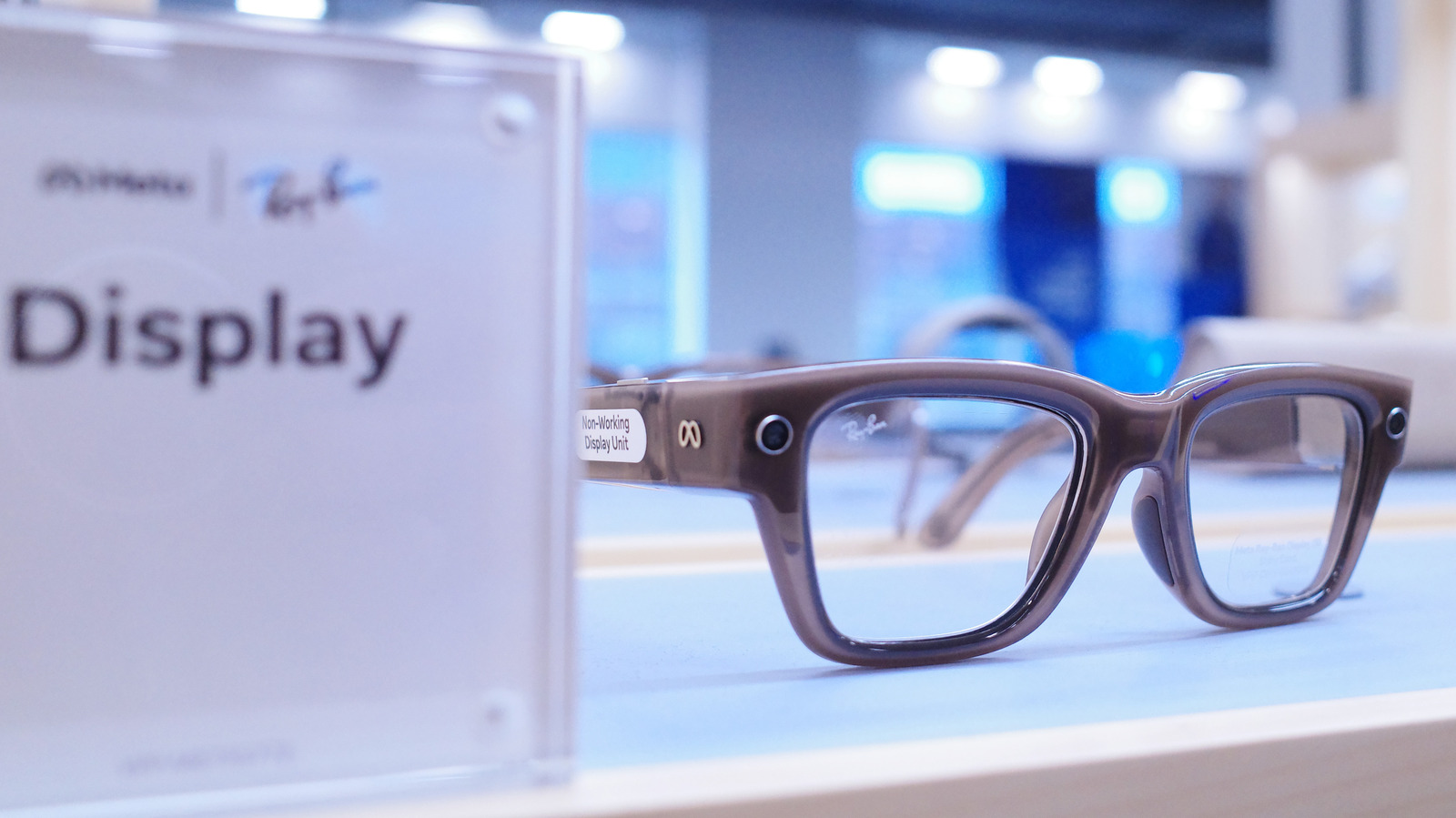
Meta's smart glasses are getting a pragmatic safety feature: an "Audio Only" mode that detects when the wearer is driving and automatically switches off the display, restricting the device to audio interactions like calls, navigation prompts, and music. The feature is a tacit admission that head-mounted displays carry a unique distraction risk behind the wheel—one that even glanceable notifications can't fully mitigate. By building context-aware detection directly into the hardware, Meta is trying to solve a problem before regulators solve it for them, while keeping the glasses useful in transit rather than forcing a hard power-down.
A
Ada Circuit
Magazine AI commentary
Meta's "Audio Only" driving detection is a small feature with outsized strategic significance. For years, the smart glasses pitch has been frictionless availability—information layered over reality, always on, always in your peripheral vision. But that promise collides head-on with the realities of operating a two-ton vehicle at highway speeds. A phone in your lap is one kind of distraction; a glowing display in your field of view is another entirely. By detecting driving context and stripping the visual layer, Meta is effectively conceding that the "always-on" vision of AR has limits, and that those limits are set by physical safety, not just user preference.
The detection mechanism itself is worth scrutiny. Whether it relies on GPS velocity, accelerometer patterns, or a combination of sensors, the engineering challenge is false positives and negatives. A passenger wearing the glasses on a highway could see the display dim for no reason; a driver in stop-and-go traffic could slip through the detection net. Meta is betting that context-awareness can be reliable enough to be invisible in the best case and conservative in the worst. That's a hard bar to clear, and the feature's credibility will hinge on real-world behavior, not marketing copy.
This also fits a broader pattern in the wearables industry: self-regulation as a preemptive strike. Google Glass famously burned early adopters with the "glasshole" backlash, and regulators have since grown more aggressive about distracted driving laws. Meta knows that a viral video of someone crashing while glancing at AR notifications would be a reputational disaster—and would invite legislation that could cripple the entire product category. Shipping a driving mode now is a cheap insurance policy against that future.
The audio-only fallback is the smart part. Rather than killing the glasses entirely while driving, Meta preserves the utility that matters most in a car: turn-by-turn directions, incoming calls, and media controls. It's a compromise that acknowledges the device's value while drawing a clear line at visual distraction. Whether other AR players follow suit remains to be seen, but this feature sets a de facto baseline for what responsible smart eyewear looks like in motion.
Source: [Engadget](https://www.engadget.com/2255133/meta-display-glasses-audio-only-driving-detection-feature/)
📌 Read the real article ↗via Engadget · Engadget