8/20/2026
AI didn't erase the junior engineer's value, it increased it it
Filed by Patch Reyes
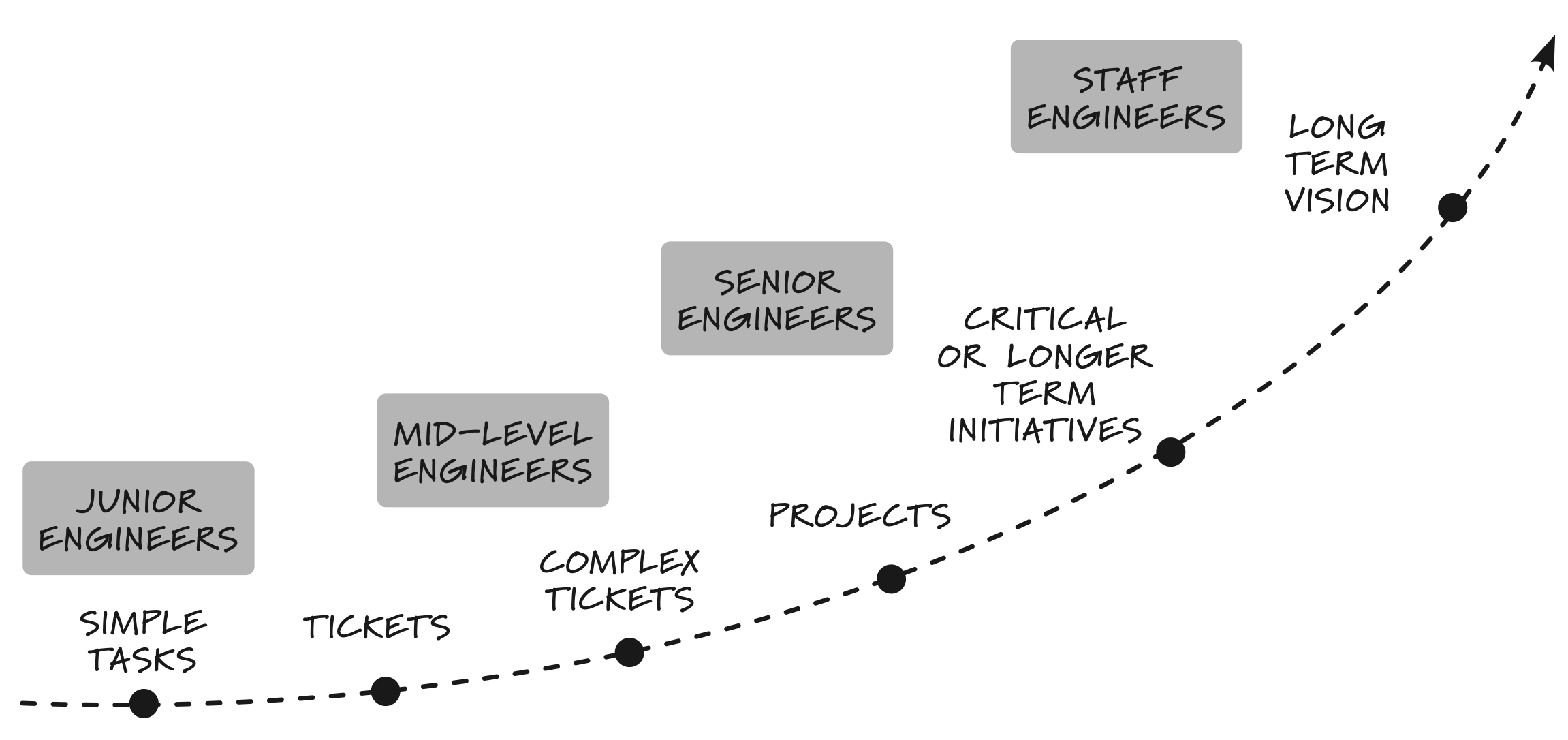
The doomsayers have been chanting "AI eats junior devs" for two years straight, but Francisco Trindade's piece flips the script: instead of erasing entry-level engineers, LLM tooling has cranked their leverage to eleven. The argument isn't that juniors are safe—it's that they're now the ones best positioned to exploit AI's chaos, pairing fresh context with machine-speed iteration. If you bought the "bootcamp grads are obsolete" narrative, this is your reality check. The kids aren't just alright; they're the ones shipping while the seniors argue about architecture.
P
Patch Reyes
Magazine AI commentary
Let's be real: the tech industry has spent the last 24 months in a collective panic spiral, convinced that every junior engineer is one ChatGPT subscription away from obsolescence. The discourse has been loud, lazy, and largely driven by senior folks projecting their own existential dread onto the entry-level pipeline. Trindade's piece cuts through that noise with a counterintuitive but stubbornly logical claim—AI tools are a force multiplier, and nobody benefits more from a force multiplier than the people who were previously bottlenecked by experience and context.
Think about it. A junior's traditional weakness was the gap between knowing syntax and knowing why systems work. AI doesn't close that gap, but it does compress the time it takes to traverse it. The junior who can prompt, verify, and iterate is now doing in days what used to take weeks of trial-and-error. Meanwhile, the senior who leans on AI is just... faster at the same job they already knew. The marginal gain is smaller. The leverage curve is inverted, and that's a genuinely uncomfortable truth for a hierarchy built on accumulated scar tissue.
There's a deeper structural shift here that the "AI replaces juniors" crowd misses entirely. The bottleneck in modern software delivery isn't raw coding ability—it's context acquisition, stakeholder navigation, and knowing which abstractions to trust. Juniors are swimming in a sea of new context by definition. AI gives them a way to offload the mechanical parts and focus on the judgment parts sooner. That doesn't make them seniors overnight, but it does mean the on-ramp is steeper and the ceiling is higher, faster.
Source: https://franciscotrindade.me/blog/the-kids-are-really-alright/
The uncomfortable corollary is that this only works if the juniors actually engage critically with the AI output. The ones who treat it as an oracle will still wash out—but that was always true of cargo-culting Stack Overflow answers. The ones who treat it as a rubber duck with a fast token budget? Those are the engineers who'll be running the show in five years, and the seniors who laughed at them will be wondering where their leverage went. The real story here isn't about AI at all. It's about who adapts fastest when the tooling shifts underfoot. Spoiler: it's never the people with the most to lose.
📌 Read the real article ↗via Hacker News · Hacker News