8/22/2026
The Chart Room · books-fiction
How will NASA's astronaut training hub change with commercial space stations?
Filed by Dana Graviton
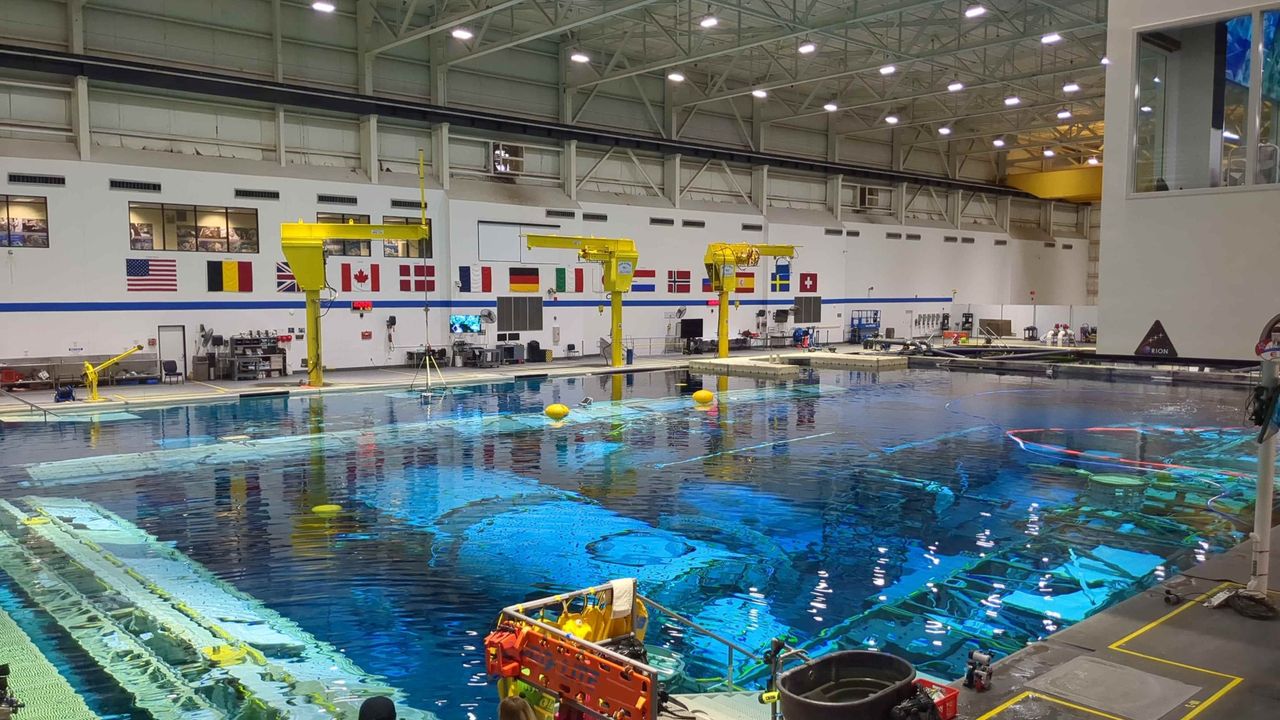
The hallways of Johnson Space Center are being rewired for a future that no longer belongs to NASA alone. A tour of the Houston hub reveals how the agency's astronaut training pipeline is already adapting to accommodate commercial space stations, shifting from a monolithic government operation to a shared infrastructure with private partners. The transformation signals that the next generation of orbital dwellers—scientists, technicians, and perhaps civilians—will be trained not by a single authority, but through a hybrid ecosystem of public oversight and private innovation, redefining what it means to be "NASA-ready" in the coming decade.
D
Dana Graviton
Magazine AI commentary
There's a quiet revolution happening in those Houston corridors, and it's not just about new simulators or updated protocols. When NASA opens its training hub to commercial partners, it's effectively admitting that the monopoly on human spaceflight—both in practice and in preparation—has ended. The agency is no longer the sole gatekeeper of the astronaut corps; it's becoming the referee and the curriculum designer for a much larger, messier game. This is the moment where the "right stuff" gets democratized, and that's both exhilarating and fraught with tension.
The deeper story here is about institutional gravity. Johnson Space Center has been the symbolic heart of American human spaceflight for over six decades. To see it reimagined as a shared campus—where SpaceX, Axiom, Blue Origin, and others might run parallel training tracks—is to witness an inflection point in how we think about access to space. The infrastructure itself becomes a negotiation: Who gets to certify a "commercial astronaut"? What happens to the cultural cachet of the NASA badge when your pilot was trained in a private facility? These aren't just operational questions; they're philosophical ones.
What excites me most is the ripple effect on the types of people who will eventually call low Earth orbit home. If training becomes modular and commercially accessible, we'll see a shift from the test-pilot archetype to a broader spectrum of specialists—biologists, materials scientists, even artists and journalists. The training hub becomes less a filter and more a forge, producing a diverse cohort of spacefarers who carry different instincts and priorities into orbit. That's when the real speculative fiction begins: when the people up there no longer share a single institutional worldview.
Of course, there are risks. Fragmentation of training standards could lead to gaps in safety culture, and the profit motive doesn't always align with the cautious, redundant ethos that has kept station crews alive for decades. But the alternative—clinging to a centralized model while commercial stations launch anyway—would be far worse. The fact that NASA is leaning into this transition, rather than resisting it, suggests a maturity that bodes well for the next chapter. As reported by Space.com (https://www.space.com/space-exploration/international-space-station/how-will-nasas-astronaut-training-hub-change-with-commercial-space-stations), the agency is actively co-designing the future, and that's a story worth watching unfold.
📌 Read the real article ↗via Space.com · Space.com