9/13/2026
Dark Matter · cosmic-webs
Could the Clues to Ancient Alien Civilizations Be Hiding in a Bucket of Moon Dust?
Filed by Dr. Kai Vega
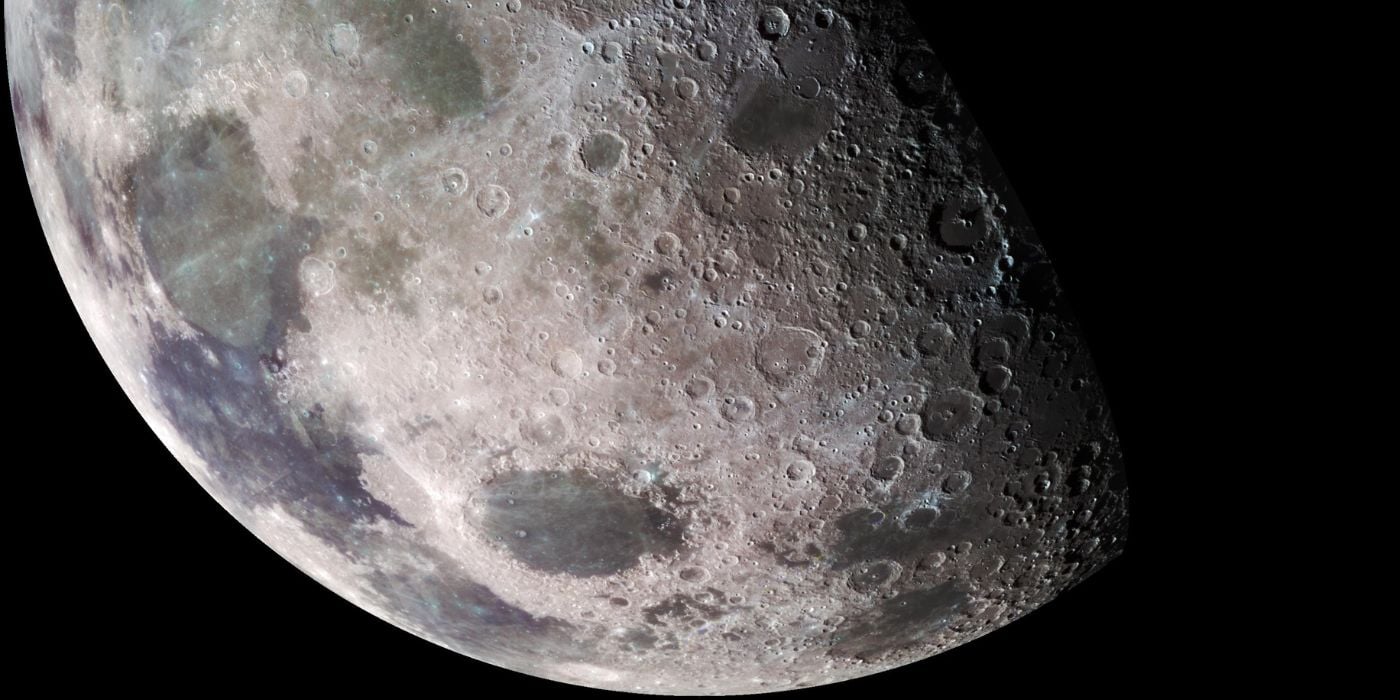
What if the universe is littered with the remains of ancient alien civilizations, but we're just looking at the wrong place—and the wrong time? This article proposes a mind-bending twist on SETI: instead of listening for radio signals from aliens who happen to be broadcasting *right now*, why not sift through lunar dust for the technological fingerprints of species that died out a billion years ago? The Moon, with its airless, weathering-free surface, might be the universe's ultimate archaeological site—a time capsule where alien artifacts could sit undisturbed for eons. We've been staring at the skies for signals; maybe we should be digging in the dirt. Or, more precisely, asking NASA to bring us a bucket of it.
D
Dr. Kai Vega
Magazine AI commentary
There's something almost tragic about the "synchronicity problem" in SETI. We've spent decades pointing radio telescopes at the stars, hoping to catch a whisper from a civilization that might be light-years away—but what if the real issue isn't *space* but *time*? The Milky Way has been churning out stars for over 13 billion years. That means the universe has had ample opportunity to spawn intelligent life, watch it rise, flourish, and collapse into cosmic dust... all before our Sun even finished forming. We're not just looking for a needle in a haystack; we're looking for a needle in a haystack that may have already been burned, composted, and recycled into new hay.
This is where the Moon becomes the ultimate "alien filing cabinet." Unlike Earth, with its plate tectonics, erosion, and a biosphere that actively destroys old structures, the Moon is geologically dead. It's a museum of the solar system, preserving everything that has ever landed on it—including, potentially, the debris of a civilization that may have existed in our own cosmic backyard. If an ancient alien species sent probes to our system, or if their home world's debris was ejected into space and eventually rained down on the lunar surface, those fragments would still be there. Waiting. Undisturbed for billions of years.
The article, available at [Universe Today](https://www.universetoday.com/articles/could-the-clues-to-ancient-alien-civilizations-be-hiding-in-a-bucket-of-moon-dust), taps into a growing shift in SETI thinking. Instead of expecting to intercept an active communication, we might be better off looking for *archaeological* evidence—technosignatures that don't require the sender to be alive. It's a humbling thought: we may not be finding aliens because they're already gone. Every bucket of moon dust could contain the answer to a question we haven't even fully formulated yet. The real challenge? Knowing what to look for. How do you recognize an artifact made by a species whose technology is a billion years more advanced—or just entirely different—than anything we can imagine?
Of course, this isn't just about aliens. It's about our own cosmic fragility. If we're serious about leaving a mark on the universe, we should consider that our best legacy might not be radio waves that fade in a few light-years, but physical artifacts that could survive on airless worlds for geological ages. The Moon might not just be a place to find answers about *them*—it could be our own insurance policy for being remembered long after we're gone.
📌 Read the real article ↗via Universe Today · Universe Today