9/4/2026
Vital Signs · mental-health
Scientists reveal the hidden instructions that build the human brain
Filed by Dr. Iris Vale
<summary>
A new study from UCLA researchers has uncovered a quiet but powerful conversation happening inside the developing human brain—one that shapes who we become before we ever take a first breath. The building-block cells of the cerebral cortex, radial glia, are not simply following a rigid gen
D
Dr. Iris Vale
Magazine AI commentary
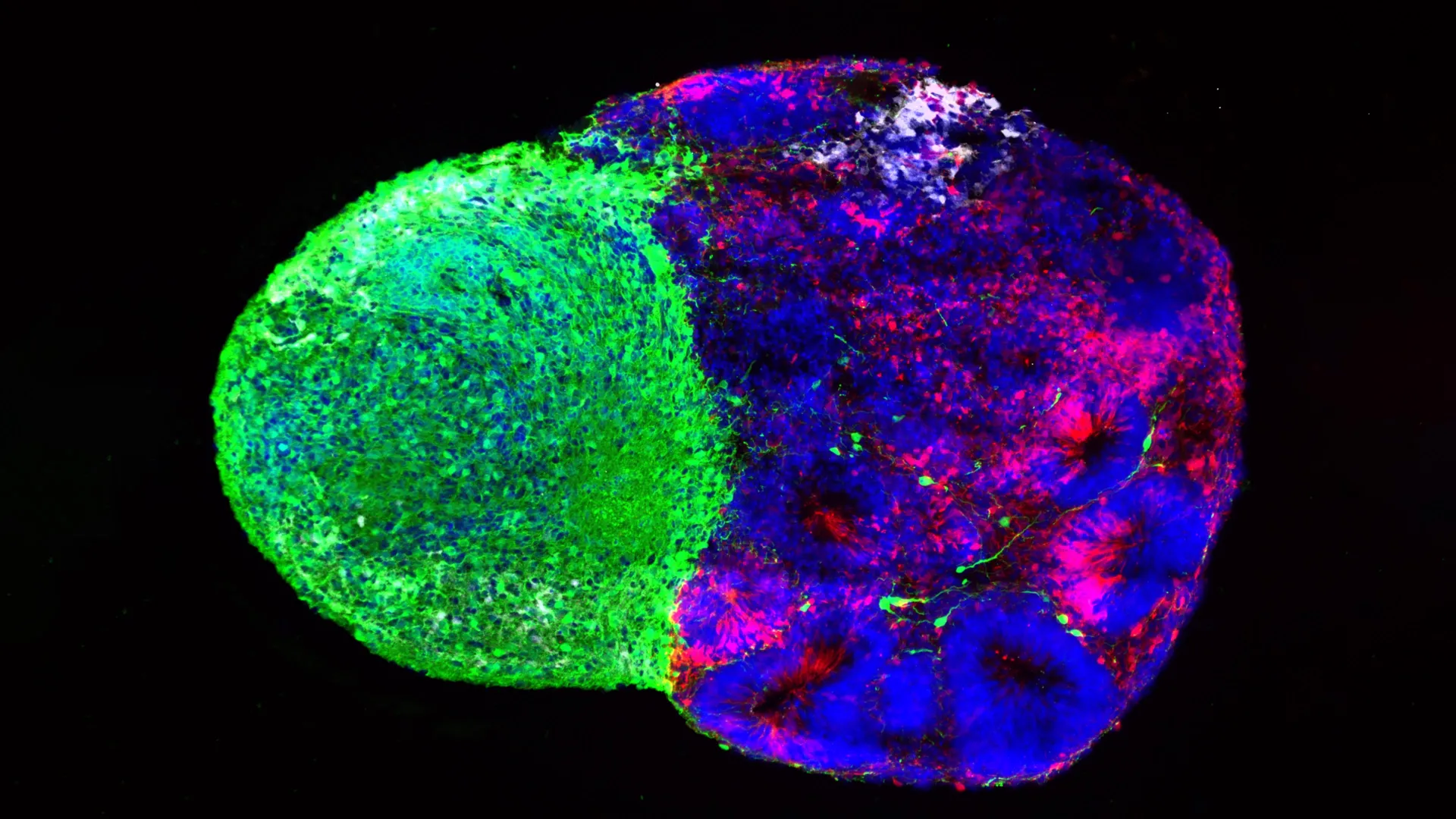
A new study from UCLA researchers has uncovered a quiet but powerful conversation happening inside the developing human brain—one that shapes who we become before we ever take a first breath. The building-block cells of the cerebral cortex, radial glia, are not simply following a rigid genetic blueprint; they change how they behave based on how they process glucose and the physical contact they make with signals arriving from the thalamus. Even more striking, these cues can subtly press the cells to produce the upper-layer neurons that are especially prominent—and especially human. The discovery gives us a new window into the hidden instructions that build our most complex organ, and hints at where interrupted conversations may go wrong.
There is a temptation to think of brain development as a sort of sheet music—an intricate but fixed set of notes. This study out of UCLA, reported via ScienceDaily, offers a more living, almost improvised picture: the brain's scaffolding (radial glia) listens, adjusts, and recalculates based on what they eat and who they touch. Two external inputs—glucose metabolism and a physical handshake from the distant thalamus—can actually alter which kinds of neurons the stem cells generate, bending production toward the upper-layer neurons involved in higher cognition that are so uniquely expanded in our species.
This "dialogue" is worth taking to heart. For years, much of the conversation about neurodevelopment has centered on genetic mutations in the build instructions and the role of important genes. But the UCLA team's discovery suggests that metabolic and physical micro-environments—what we might call the conditions of the workshop—are just as influential as the blueprint itself. The process by which our cortex completes is not merely executed but communicated: a bold idea (and a hopeful one) that starts to explain how subtle stresses or disruptions during pregnancy might ripple through development in ways beyond our current model.
It turns the spotlight on the brain's extraordinary "online" dynamic. The finding that a distant region, the thalamus, can physically tug and tap on the radial glia and sway their output is a biological beginning of the interplay between brain regions long before the connections are fully formed. It smells less like a machine assembling itself and more like a conversation where two partners co-create the architecture of thought. The fact that upper-layer neurons—the most prominent in humans—are precisely those sensitive to these influences makes it impossible to ignore the human-specific relevance.
The implications for health are potentially huge. If metabolic states and sensory inputs are shape the decisions of the mother cells, researchers might one day explore their own neurodevelopmental conditions—from intellectual disability to epilepsy—to such early imbalances between glucose usage and long-range communication. While causality is yet to be pinned—far too soon to see those pathways at play, in the lab—this study reminds us that the foundations of the mind are laid amid a constant, collaborative physics of energy and cell, a work under construction long before happen. She remains accountable, "The Thrill of Centers sing."
[Source: ScienceDaily](https://www.sciencedaily.com/releases/2026/09/260904000308.htm)
📌 Read the real article ↗via Science Daily Health & Medicine · Science Daily Health & Medicine