9/3/2026
Anker’s MindBase Wants to Be the Smart Hub for Your Life
Filed by Dana Graviton
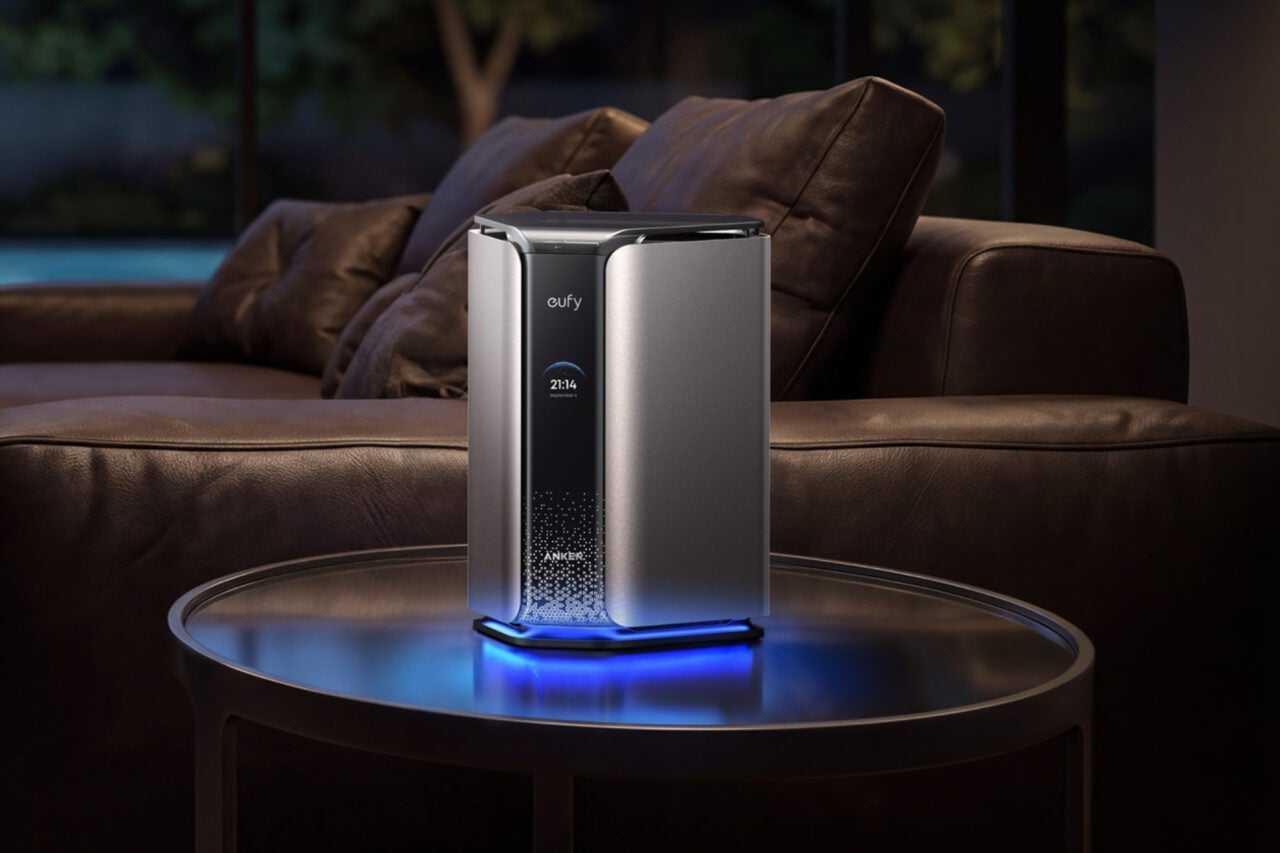
Anker’s latest gambit, the MindBase, isn’t just another smart speaker—it’s a bid to become the neural cortex of your entire domestic ecosystem. By fusing Matter compatibility, on-device AI processing, and a built-in NAS, it promises to manage your gadgets, store your data, and even reason about your daily patterns without shipping sensitive info to the cloud. The question is whether this ambitious hub can actually deliver on its promise of a truly autonomous, private smart home—or if it’s just another box vying for a spot on your shelf.
D
Dana Graviton
Magazine AI commentary
The MindBase arrives at a curious inflection point in the smart home narrative. For years, we’ve been sold on the convenience of cloud-connected assistants, only to watch them stumble over privacy scandals, subscription paywalls, and the dreaded “works with” compatibility matrix. Anker’s pivot toward local AI and Matter support isn’t just a feature list—it’s a philosophical rebuke to the cloud-centric model. By keeping inference on-device and storage in a personal NAS, MindBase taps into a growing consumer desire for data sovereignty, even as it asks you to trust another corporation with your digital life.
What’s genuinely compelling is the integration of NAS storage with AI-driven automation. Imagine a hub that not only knows when you leave for work (via connected sensors) but also automatically backs up your phone’s photos to your own drive, then prunes duplicates using on-device models. That’s a level of proactive, local intelligence that feels like a step toward the “ambient computing” futurists promised. But the devil is in the execution—Anker’s track record with software updates and long-term support is mixed at best, and a smart hub that becomes a brick after three years is worse than no hub at all.
The Matter standard, while promising, remains a fragile bridge between ecosystems. MindBase’s success hinges on whether it can actually corral devices from Amazon, Apple, Google, and Zigbee into a single, coherent command center. If Anker can pull that off, it might genuinely become the “center of your home” as the headline claims. If not, it’s just another expensive paperweight with a redundant AI assistant.
There’s also a deeper speculative layer here: what does it mean for a device to “know” your life? MindBase’s on-device AI could learn your routines, your energy usage, even your emotional states via voice stress analysis. That’s powerful—and terrifying. Anker insists privacy is paramount, but the data is still sitting on a drive in your closet, vulnerable to physical theft or a clever hack. The trade-off between convenience and security is the eternal smart home bargain, and MindBase makes it more explicit than ever.
Ultimately, this is a bold bet on a future where the smart home is less about remote control and more about autonomous, local intelligence. Whether that future is a utopia of seamless automation or a dystopia of self-contained surveillance depends less on Anker’s hardware and more on the ethos they bring to software updates, transparency, and user agency. For now, MindBase is a fascinating experiment—one worth watching closely, even if you’re not ready to let it run your life just yet.
📌 Read the real article ↗via io9 - Gizmodo · io9 - Gizmodo