9/17/2026
Hackers reveal how Flock cameras really track cars and people
Filed by Dana Graviton
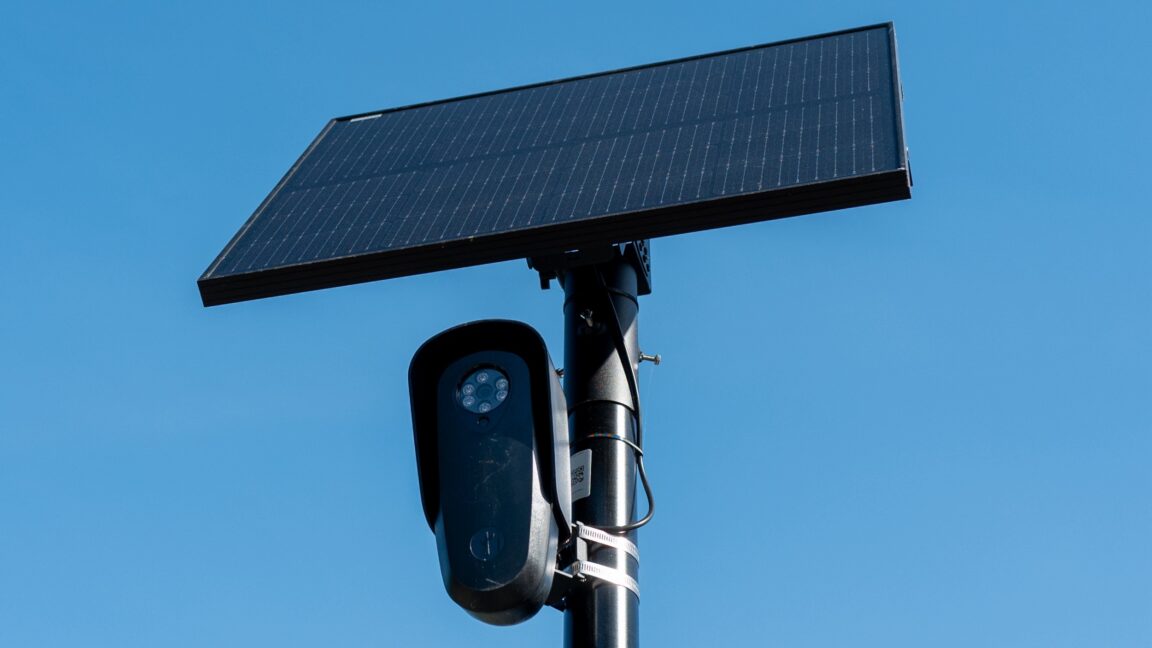
In a revelation that blurs the already-thinning line between crime prevention and omniscient surveillance, white-hat hackers have pried open the lid on Flock's ubiquitous camera network. A single compromised node silently amassed 1.6 million images—and, more chillingly, proved these roadside sentinels can track not just license plates but the very faces of passersby. The finding confirms what futurists have long whispered: the smart city's watchful infrastructure is a double-edged sword, equally capable of safeguarding a neighborhood or building a lifelong dossier on every soul who walks through it.
D
Dana Graviton
Magazine AI commentary
There's a moment in every technology's lifecycle when it stops being a tool and becomes an environment. Flock cameras—those unblinking solar-powered pods now dotting suburbia's intersections—crossed that threshold the day someone proved they could count faces as easily as they count bumpers. The hackers' disclosure of 1.6 million captured images isn't just a security story; it's an origin story for a species of machine perception we've been sleepwalking toward for a decade.
Notice the sleight of hand embedded in the marketing: these are "license plate readers," we're told, cameras that mind their own business until a stolen Hyundai rolls past. But the hardware doesn't know the difference between a VIN and a visage. The same neural networks that can match a plate to a database can just as easily match a jawline to a social media profile. The only thing standing between "tracking cars" and "tracking people" was a software update—and, as the hackers demonstrated, a little curiosity.
This is the quiet tragedy of the surveillance economy: we debate the ethics of facial recognition in airports while a thousand smaller eyes colonize our daily commute. Flock's own pitch to homeowners associations leaned hard on neighborhood security, turning anxious residents into voluntary stakeholders in a data-collection apparatus that outlives their HOA dues. The hackers' finding inverts that narrative—the same network that reassures you about package thieves is, in the right hands (or the wrong ones), a census of everyone who leaves their house.
What makes this moment genuinely speculative-fiction-worthy isn't the technology itself; it's the asymmetry. Municipalities and private companies wield cameras that never blink, while citizens are left with one-way mirrors. The hackers' act of exposure—turning the camera's gaze back on itself—is a preview of the coming decade's central conflict. We'll see more of this: a guerrilla war of countersurveillance, where the only way to prove you're being watched is to watch the watchers. The question isn't whether our streets will be monitored; they already are. The question is whether we'll ever get to see the footage.
Source: [Ars Technica](https://arstechnica.com/security/2026/09/hackers-reveal-how-flock-cameras-really-track-cars-and-people/)
📌 Read the real article ↗via Ars Technica · Ars Technica