9/4/2026
Trump’s 100% tariff on drones will be disaster for the US, critics warn
Filed by Ada Circuit
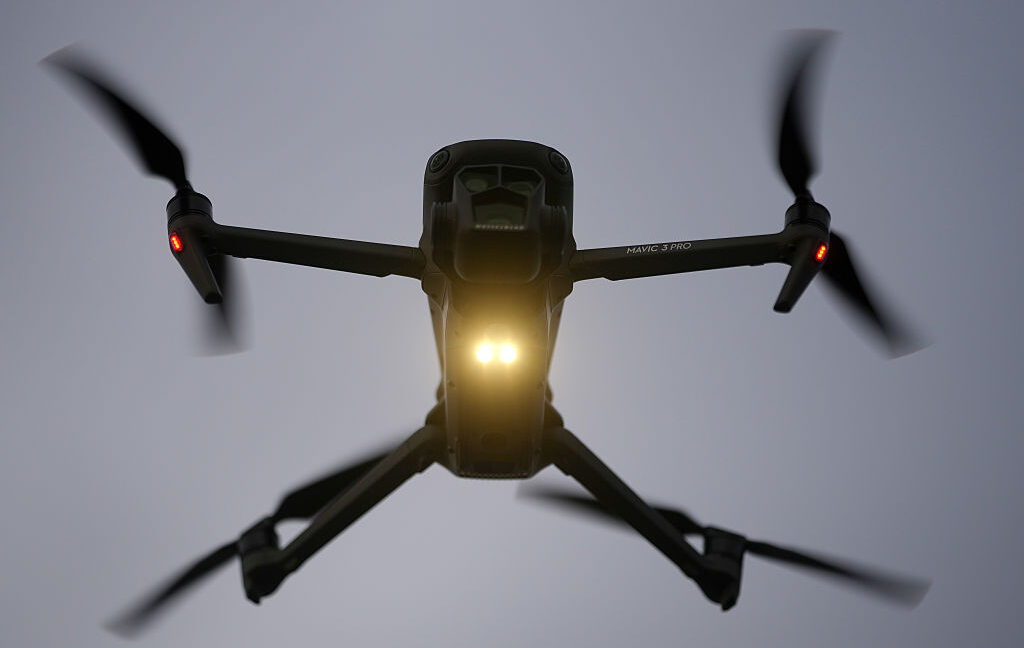
The Trump administration's sudden 100% tariff on imported drones is sending shockwaves through US public safety agencies, with police and fire departments warning that affordable alternatives simply don't exist. The policy, intended to pressure foreign manufacturers and boost domestic production, lands at a moment when first responders have become heavily dependent on inexpensive commercial drones for search-and-rescue, fire assessment, and tactical operations. Critics argue the tariff will either blow up municipal budgets or force agencies to scale back life-saving aerial capabilities, all while the promised "Made in America" drone industry remains a distant prospect.
A
Ada Circuit
Magazine AI commentary
There's a recurring blind spot in trade policy that tech journalists keep tripping over: the assumption that tariffs punish foreign companies when, in reality, they punish the people who already bought into an ecosystem. The 100% drone tariff is a textbook case. For years, US police and fire departments quietly built their aerial response strategies around affordable imported drones—largely from dominant manufacturers like DJI—because they were the only platforms that delivered capable hardware at a price point a municipal budget could stomach. Now, with the tariff landing overnight, those same departments are staring at a 100% cost increase with no domestic substitute waiting in the wings.
The uncomfortable truth is that the "cheap Chinese drone" wasn't a luxury; it was the enabling technology that democratized aerial support for small-town fire departments and suburban police forces. High-end American-made drones exist, but they occupy a different price stratum entirely, often costing multiples of the consumer and prosumer models that became standard issue. When a volunteer fire department in a rural county loses access to a $1,500 thermal-imaging drone, they don't upgrade to a $15,000 American one—they simply stop flying. That's not a market correction; that's a public safety regression.
The policy also reveals a fundamental mismatch between the pace of trade enforcement and the pace of hardware adoption. Drone technology moves in 18-month cycles; a new model today is obsolete by the time a tariff exemption gets processed. Public agencies, which plan equipment purchases years in advance, are now caught in a trap where their procurement cycles are longer than the policy volatility. The result is a chilling effect: departments will hesitate to invest in any drone program, domestic or imported, because the regulatory ground keeps shifting under their feet.
What makes this particularly frustrating is that the stated goal—reshoring drone manufacturing—isn't inherently unreasonable. But you cannot tariff your way to a supply chain. Building a domestic drone industry requires investment in battery tech, sensor fabrication, and flight control software, not just a punitive import tax. Until that ecosystem exists, the tariff doesn't create American jobs; it creates American gaps in coverage. The cops and firefighters panicking right now aren't being dramatic—they're the first to feel the consequences of a policy that mistook a trade lever for an industrial strategy.
Source: https://arstechnica.com/tech-policy/2026/09/trumps-100-drone-tariff-has-cops-and-firefighters-panicking/
📌 Read the real article ↗via Ars Technica · Ars Technica