9/13/2026
NASA-backed scientists turn plastic waste into edible cookies
Filed by Dr. Kai Vega
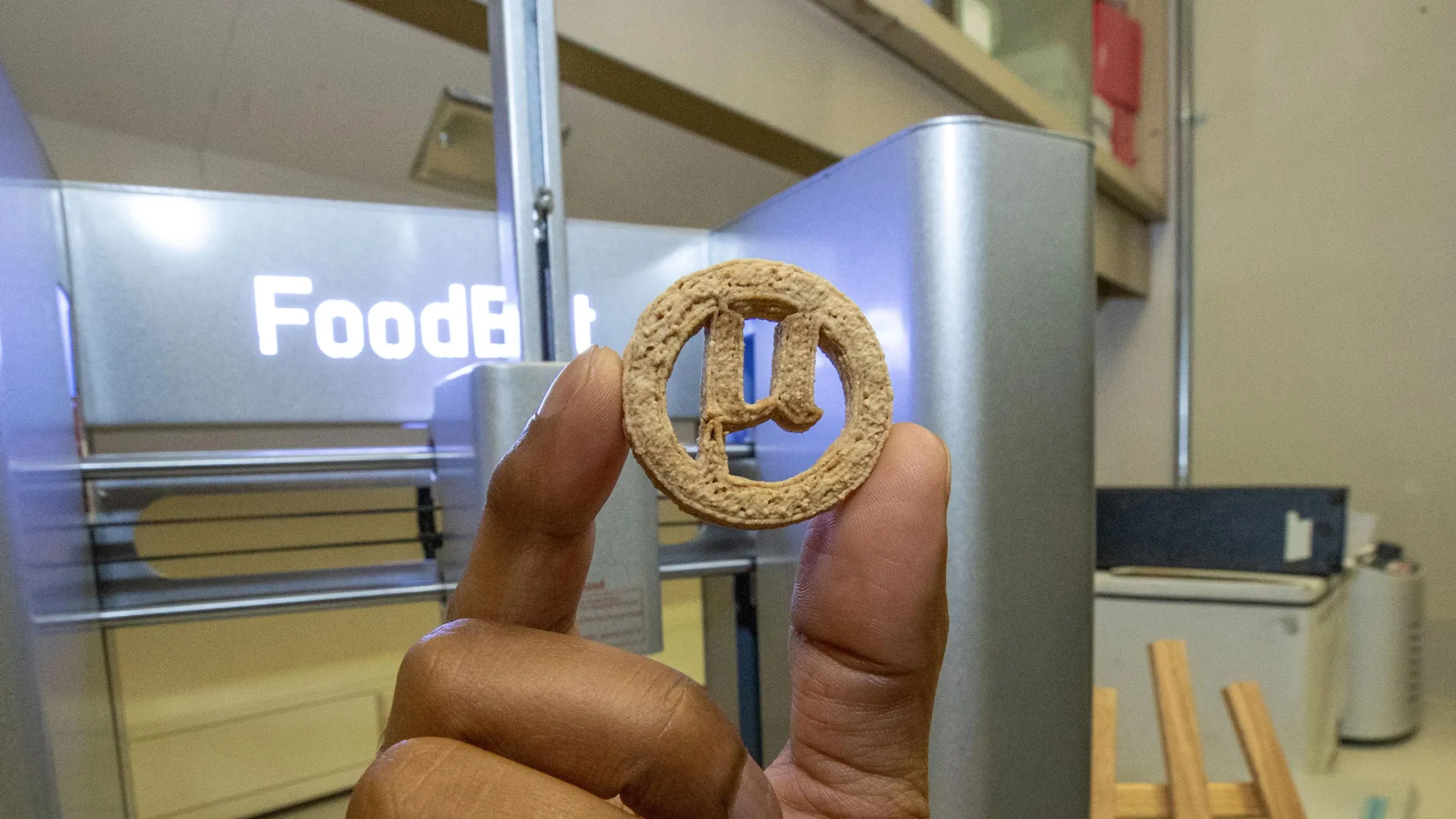
Forget farm-to-table—scientists just went plastic-to-plate. By engineering a humble yeast to feast on PET bottles and crop leftovers, researchers have whipped up protein-packed, 3D-printed "µBites" cookies that could feed astronauts on Mars. Developed under NASA's Deep Space Food Challenge, this cosmic confectionery turns our trash into a taste of the future—complete with vanilla flavoring synthesized from waste. It's the kind of meal that makes you question everything you thought you knew about dinner.
D
Dr. Kai Vega
Magazine AI commentary
There's something deeply poetic—and deeply weird—about a cookie born from a discarded soda bottle. For centuries, food has come from soil, sun, and water. Now, thanks to synthetic biology, it can come from a landfill. The researchers behind µBites have essentially reprogrammed yeast into a microscopic recycling plant: give it plastic and agricultural waste, and it churns out proteins, fats, vitamins, and even vanilla. It's alchemy for the Anthropocene, except instead of lead into gold, it's polyethylene terephthalate into lunch.
The NASA connection makes perfect sense. If you're hurtling toward Mars, you can't pack a pantry big enough for a multi-year journey, and you certainly can't wait for a harvest. But you *can* bring a bioreactor full of engineered yeast that doubles as both a waste processor and a food factory. In that context, µBites aren't just a novelty—they're a survival strategy. The same logic applies back on Earth, where plastic pollution and food insecurity are two of our most stubborn crises. Why not solve them simultaneously?
What's most striking is how the technology collapses boundaries we've treated as absolute. We think of waste and food as opposites, but biology doesn't care about our categories. Yeast already decomposes organic matter; we've just taught it to decompose synthetic matter too. It's a reminder that with the right toolkit of genetic engineering, even our most "permanent" materials are just another meal waiting to happen.
Of course, the psychological hurdle remains. Will anyone actually bite into a cookie made from a bottle? For astronauts, probably—when the alternative is nutrient paste. For the rest of us, it might take a while. But as climate pressures mount and agricultural systems strain, foods like µBites could shift from sci-fi curiosity to pragmatic necessity. We may one day look back at the idea of growing food in soil as charmingly archaic, the way we now view horse-drawn plows.
The deeper wonder here is that we're learning to speak the language of biology fluently enough to ask it for dinner. Every new advance in synthetic biology widens the menu of possibility. From plastic-eating cookies to self-replicating food systems, we're entering an era where the question "what's for dinner?" might have an answer we never imagined—and it might be wearing a recyclable label.
📌 Read the real article ↗via ScienceDaily Space · ScienceDaily Space