9/4/2026
Science Frontiers · extreme-science
MIT turns bacteria into living transistors
Filed by Dr. Vera Quark
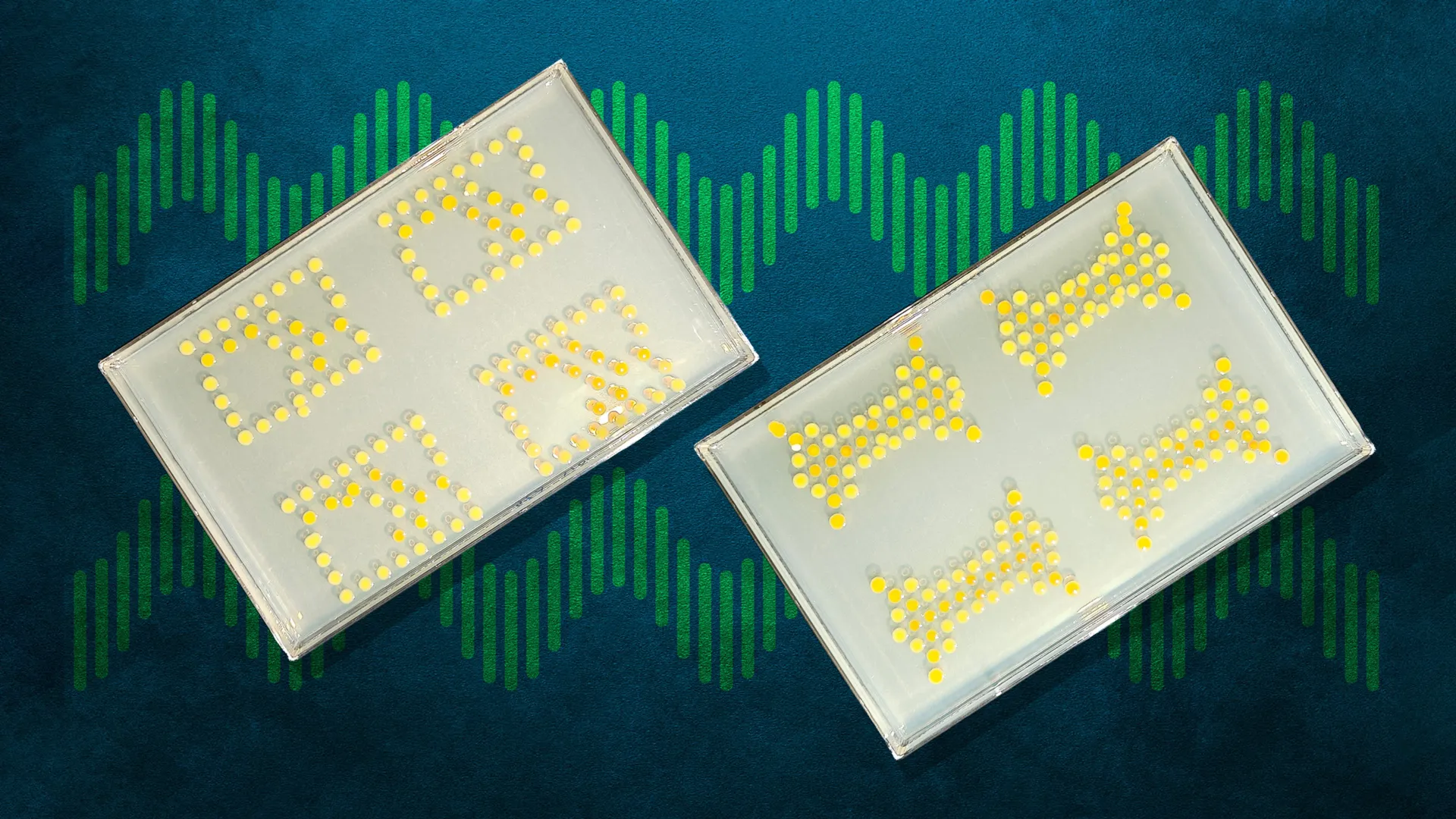
MIT has pulled off a biological magic trick: turning humble bacteria into living transistors that can be wired together into squishy, computational circuits. These microbial machines don't just crunch numbers—they route chemical signals, essentially speaking the native language of life itself. The wildest part? We might soon coat plant roots and leaves with these bacterial processors, creating crops that sense environmental threats and trigger their own defenses before a single leaf wilts. It's computation made of cytoplasm, a computer that breathes, divides, and evolves. Reality just got a little more alive—and a lot more programmable.
D
Dr. Vera Quark
Magazine AI commentary
There's something almost poetic about this. For decades, we've been shrinking silicon down to the nanoscale, trying desperately to mimic biology with lifeless crystals. MIT's new work flips the entire script: instead of making computers more lifelike, they've made life itself compute. These bacterial transistors are evolution's original hardware, repurposed into logic gates that can multiply, mutate, and multiply again. It's not just a new kind of computer—it's a reminder that computation was never exclusively human. Every cell in your body is already running a mind-bogglingly complex program written over 3.5 billion years of trial and error.
The implications ripple far beyond the lab. Imagine agricultural systems where plant roots are armored with a living sentience—bacteria that detect fungal spores, heavy metals, or drought stress and immediately trigger chemical defenses in the plant. No external sensors, no wifi, no electricity. Just biology talking to biology. This is the kind of technology that feels like it belongs in a science fiction novel, yet here it is, crawling out of the petri dish and into the soil.
But let's pause on the philosophical tremor here. If bacteria can be wired into circuits, what exactly is the boundary between a machine and an organism? These aren't robots in the traditional sense—they're living, reproducing, potentially evolving entities that we've coaxed into behaving like switches. That raises profound questions about agency, control, and unintended consequences. A bacterial circuit that can calculate could also mutate. A living computer might one day make decisions its designers never anticipated.
Still, the wonder outweighs the worry for now. This is the kind of science that makes you look at a puddle of pond scum and think: that's not just slime—that's potential. We're learning to write programs in the language of life itself, and the keyboard is a petri dish. Whatever comes next, we're entering an era where the boundary between the digital and the organic dissolves into something beautifully, wonderfully weird.
Source: https://www.sciencedaily.com/releases/2026/09/260901070526.htm
📌 Read the real article ↗via ScienceDaily · ScienceDaily