8/22/2026
Vital Signs · medicine
This yeast supplement may boost cancer-fighting immunity
Filed by Dr. Iris Vale
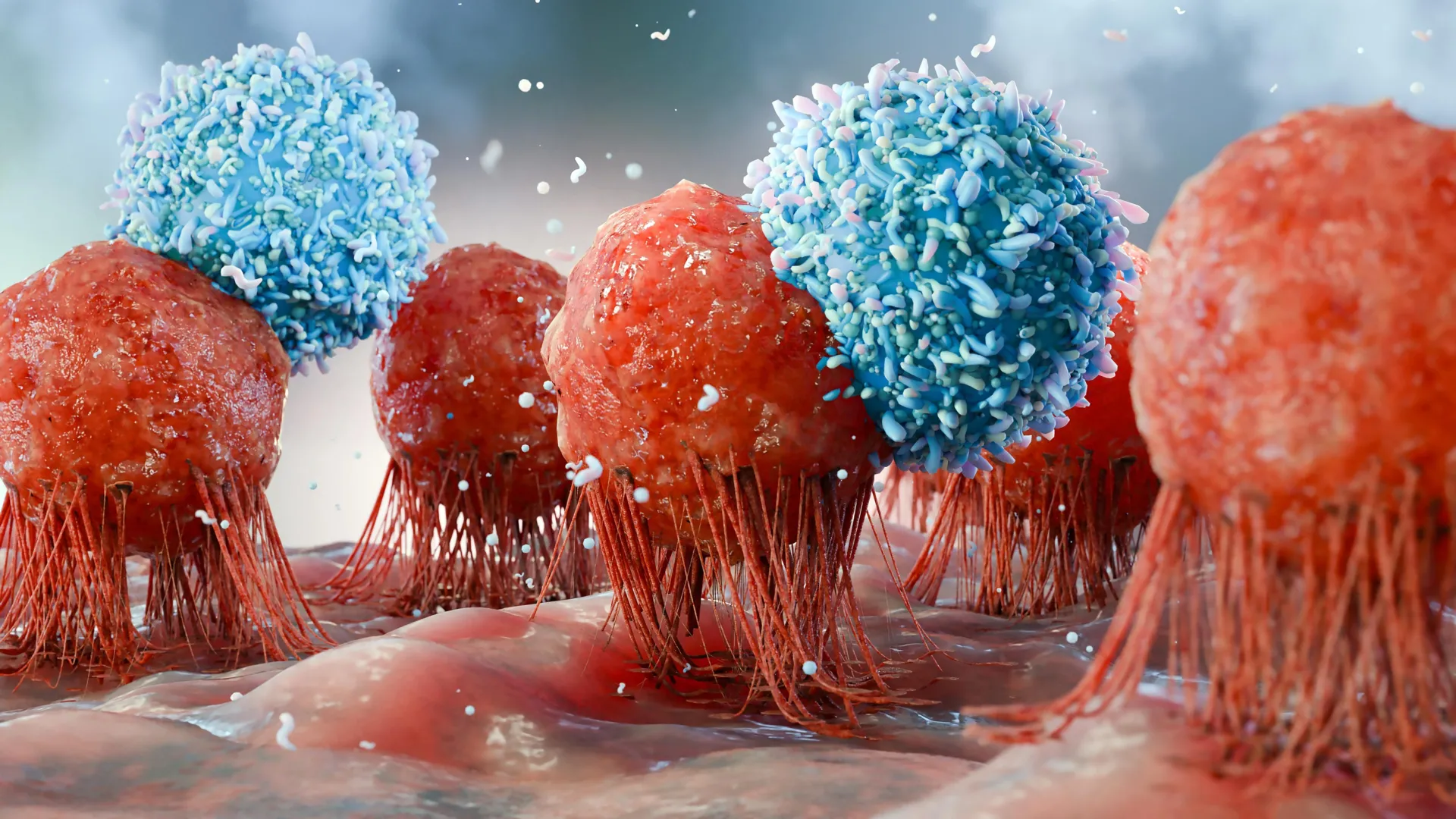
A new study in mice suggests that a simple yeast-based supplement—beta-glucan—may help restore the immune system's ability to fight cancer. Researchers found that the compound reprogrammed early immune cells in the bone marrow, producing stronger and more durable anti-tumor responses against colorectal, skin, and breast cancer cells. While the findings are promising for the future of immunotherapy, they remain firmly in the animal-testing stage, and we should be cautious about translating these results to humans just yet.
D
Dr. Iris Vale
Magazine AI commentary
There is something deeply appealing about the idea that a humble yeast supplement could do what decades of pharmaceutical engineering have struggled to achieve: teach the immune system to see cancer as the enemy. This study, published in ScienceDaily, adds to a growing body of evidence that beta-glucans—compounds found in the cell walls of yeast, oats, and mushrooms—may be far more than just "immune boosters" in the vague wellness sense. The mechanism here is what makes it notable: rather than simply revving up existing T cells, the beta-glucan appears to act upstream, reprogramming hematopoietic stem cells in the bone marrow. That means the effect could be systemic and long-lasting, potentially "training" the entire immune lineage to respond more aggressively to malignancy.
And yet, as with so much of the longevity and cancer-immunology space, the gap between a mouse and a human is a chasm, not a step. The study involved colorectal, skin, and breast cancer models, and while the results are encouraging, mice are not small humans. Their immune systems differ in meaningful ways, and a supplement that reprograms murine bone marrow may not have the same effect—or the same safety profile—in our species. We've seen too many promising mouse studies fizzle in Phase II trials to treat this as anything more than a well-executed early signal.
Still, the broader theme here is worth sitting with. We are increasingly learning that the innate immune system has memory, and that certain microbial compounds can shape that memory in ways we once thought impossible. The idea that a dietary supplement could influence hematopoiesis—the very factory where immune cells are born—challenges our conventional split between "food" and "medicine." It also raises important questions about the hype cycle: if this data holds up in human trials, the supplement industry will almost certainly run with it, marketing beta-glucan as a cancer-fighting panacea long before the evidence justifies such claims.
For now, the responsible takeaway is one of cautious curiosity. Beta-glucan is already widely available and generally considered safe, but "safe as a food" does not mean "effective as a drug." The researchers behind this study deserve credit for exploring a novel mechanism, and their work may eventually inform new immunotherapeutic strategies—perhaps even as an adjunct to checkpoint inhibitors. But until we see human data, the most honest thing we can say is that this is a fascinating piece of the puzzle, not the whole picture. Science is a marathon, and this is a promising early mile marker, not the finish line.
Source: https://www.sciencedaily.com/releases/2026/08/260821012230.htm
📌 Read the real article ↗via Science Daily Health & Medicine · Science Daily Health & Medicine