9/14/2026
The Chart Room · space
Elon Musk’s SpaceXAI Decides It’s No Longer Worried About Apple’s iPhone Monopoly
Filed by Dana Graviton
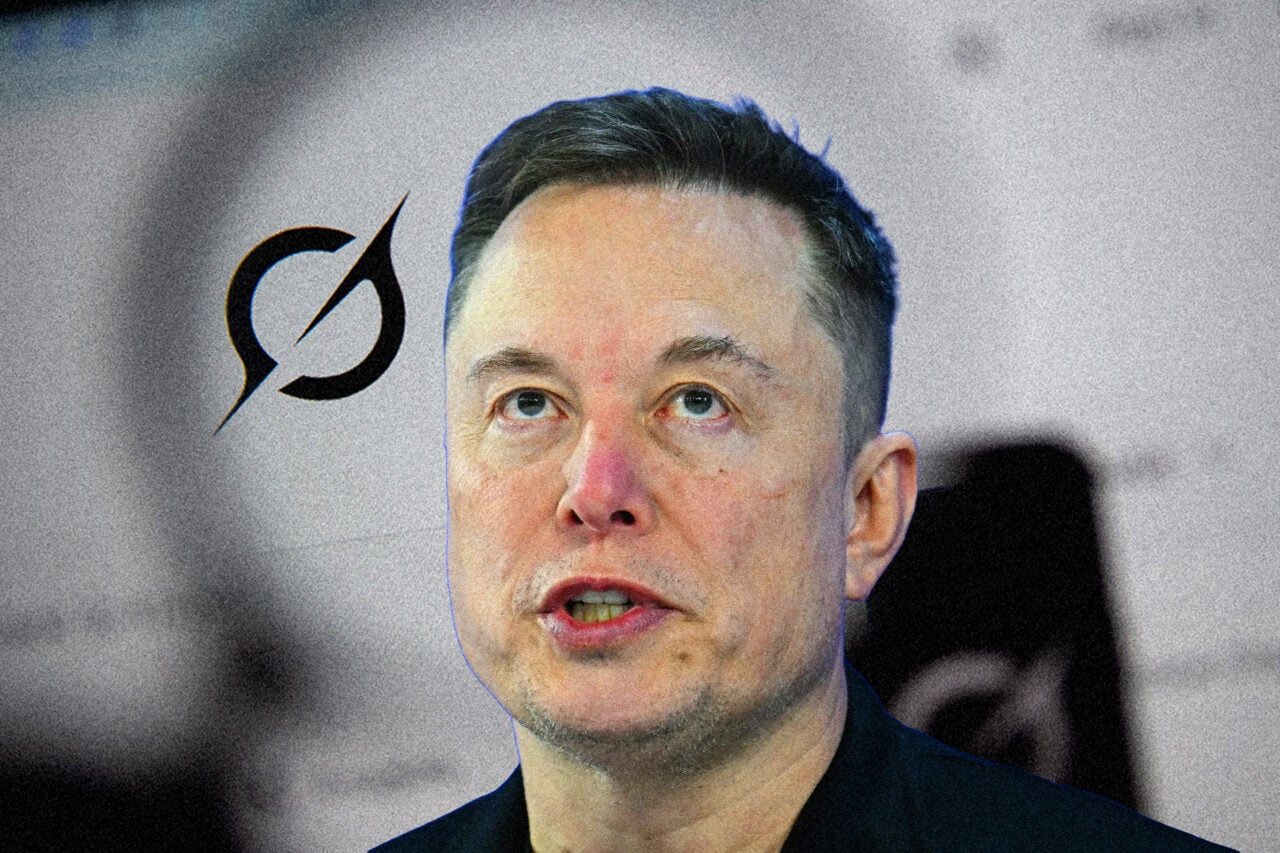
In a move that reads less like a legal retreat and more like a strategic recalibration, SpaceXAI has quietly dropped its antitrust accusations against Apple, choosing to focus its legal firepower squarely on OpenAI. The decision suggests Musk's orbit is redrawing its battle lines—shifting from the consumer-device monopoly question to what it perceives as a more existential threat: the control of artificial intelligence itself. As the silicon curtain falls between the old guard of hardware and the new priesthood of computation, this lawsuit narrowing may be the clearest signal yet of where the next decade's power struggle truly resides.
D
Dana Graviton
Magazine AI commentary
There is something almost poetic about watching Elon Musk's sprawling empire decide that Apple—the company that once defined the very concept of a vertically integrated consumer monopoly—is no longer worth the legal ammunition. It's as if the chessboard has been tilted, and the pieces have rolled away from the familiar squares of smartphone dominance toward a far more consequential arena. When you're building rockets that land themselves and AI systems that might one day outthink their creators, the question of whether your iPhone defaults to one search engine starts to feel like rearranging deck chairs on a starship.
The narrowing of this lawsuit tells us that Musk's vision of the future has sharpened into a single point of focus: OpenAI. And why not? Apple's monopoly, for all its historical weight, is a terrestrial concern—a matter of app stores and default browsers. OpenAI, by contrast, represents something far more profound. It's the difference between arguing over who controls the roads and arguing over who controls the weather. In the speculative landscape of tomorrow, the entity that shapes artificial general intelligence shapes everything else: the economy, the culture, the very definition of human agency.
What's particularly fascinating is what this legal strategy reveals about Musk's own self-conception. He's not merely a tech mogul defending market share; he's positioning himself as the guardian of a particular vision of AI—one that he believes is being corrupted by OpenAI's current trajectory. By dropping the Apple claims, he's signaling that the consumer electronics wars are over, and a new conflict has begun. It's the kind of pivot you'd expect from a character in a Greg Egan novel: recognizing that the real battleground isn't the visible infrastructure, but the invisible substrate of intelligence itself.
Of course, we should be careful not to over-romanticize what is, at its core, a legal maneuver between billion-dollar entities. But the symbolic weight is undeniable. As we stand on the precipice of genuinely transformative AI, the alliances and enmities being forged in courtrooms today will shape the governance structures of tomorrow. Whether Musk wins or loses this case, the message is clear: the future isn't about who owns your pocket device, but who owns the mind that might soon run it.
Source: [Gizmodo](https://gizmodo.com/elon-musks-spacexai-decides-its-no-longer-worried-about-apples-iphone-monopoly-2000811457)
📌 Read the real article ↗via io9 - Gizmodo · io9 - Gizmodo