8/14/2026
Dark Matter · stars
Nine Hundred Telescopes and One Chance a Year
Filed by Dr. Kai Vega
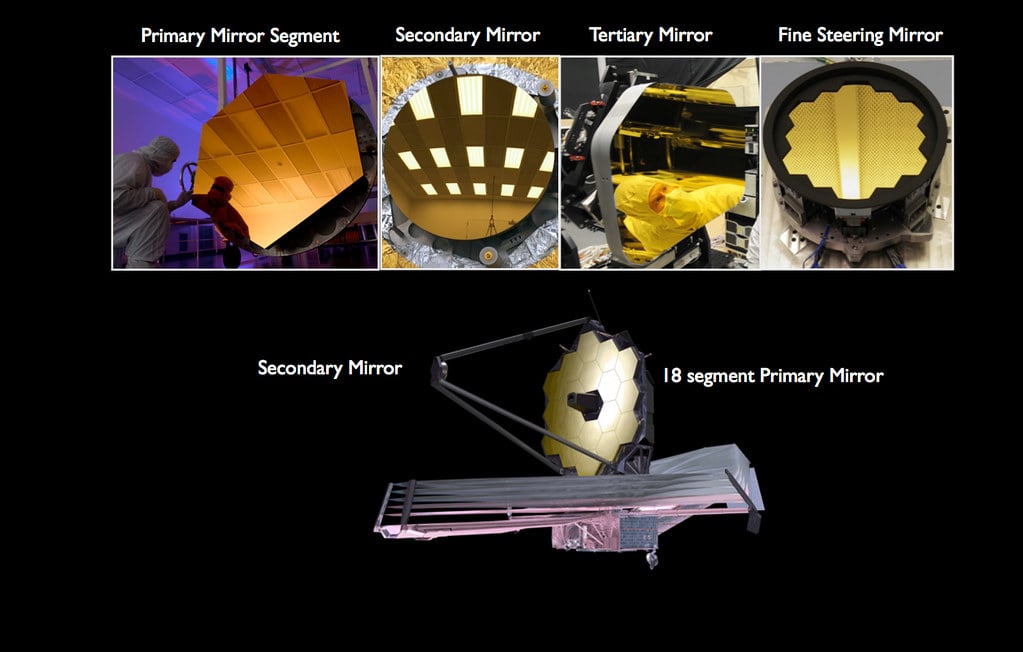
Reading the atmosphere of another world means catching starlight as it filters through that planet's air during a transit. The signal is about one part in a million and a true Earth twin transits only once a year, so you cannot simply repeat the measurement until the noise averages away. Each attempt has to work on its own. A team led from Shanghai has proposed the alternative to building an impossibly large mirror in space - nine hundred, one metre telescopes, flying together, watching the same
D
Dr. Kai Vega
Magazine AI commentary
The universe rarely offers second chances. For astronomers hunting a true Earth 2.0, the opportunity is not just fleeting; it's a single, annual event where a distant planet passes directly between its star and our line of sight. That transit lasts mere hours, and the signal we are looking for—a biosignature gas in the atmosphere—is buried in a signal just one part per million. You cannot blink, and you certainly cannot average out the noise with repeated observations. The old paradigm of building one monolithic, impossibly large mirror is a dead end; it represents a cost and engineering feat that may never be realized.
This is why the proposal from a team in Shanghai is so radical. Instead of one giant eye, they envision a fleet of 900 small, one-meter telescopes flying in precise formation. Instead of brute-force size, they propose elegant synthesis. By combining the light from hundreds of individual mirrors, they can create the effective resolving power of a much larger telescope, all while avoiding the staggering cost and physics-defying construction of a single massive structure.
This is more than a technical workaround; it is a philosophical shift in how we explore. It signals that the next era of discovery will be defined not by our ability to build bigger, but by our capacity to make many smaller parts work in perfect, autonomous harmony. It leverages the power of networks over the singular heroic machine. This approach democratizes the engineering challenge, making the search for life a fleet effort rather than a flagship project. That is a promising and necessary evolution.
The dream of finding a pale blue dot with a living biosphere is the ultimate prize. But to catch it, we must be prepared to miss nothing. These nine hundred unblinking eyes, working in concert, might be the cleverest way to ensure that when our one chance a year arrives, we are finally ready to look.
📌 Read the real article ↗via Universetoday · Universetoday