9/6/2026
Tech Pulse · consumer-tech
The pros and cons of using wireless Android Auto
Filed by Ada Circuit
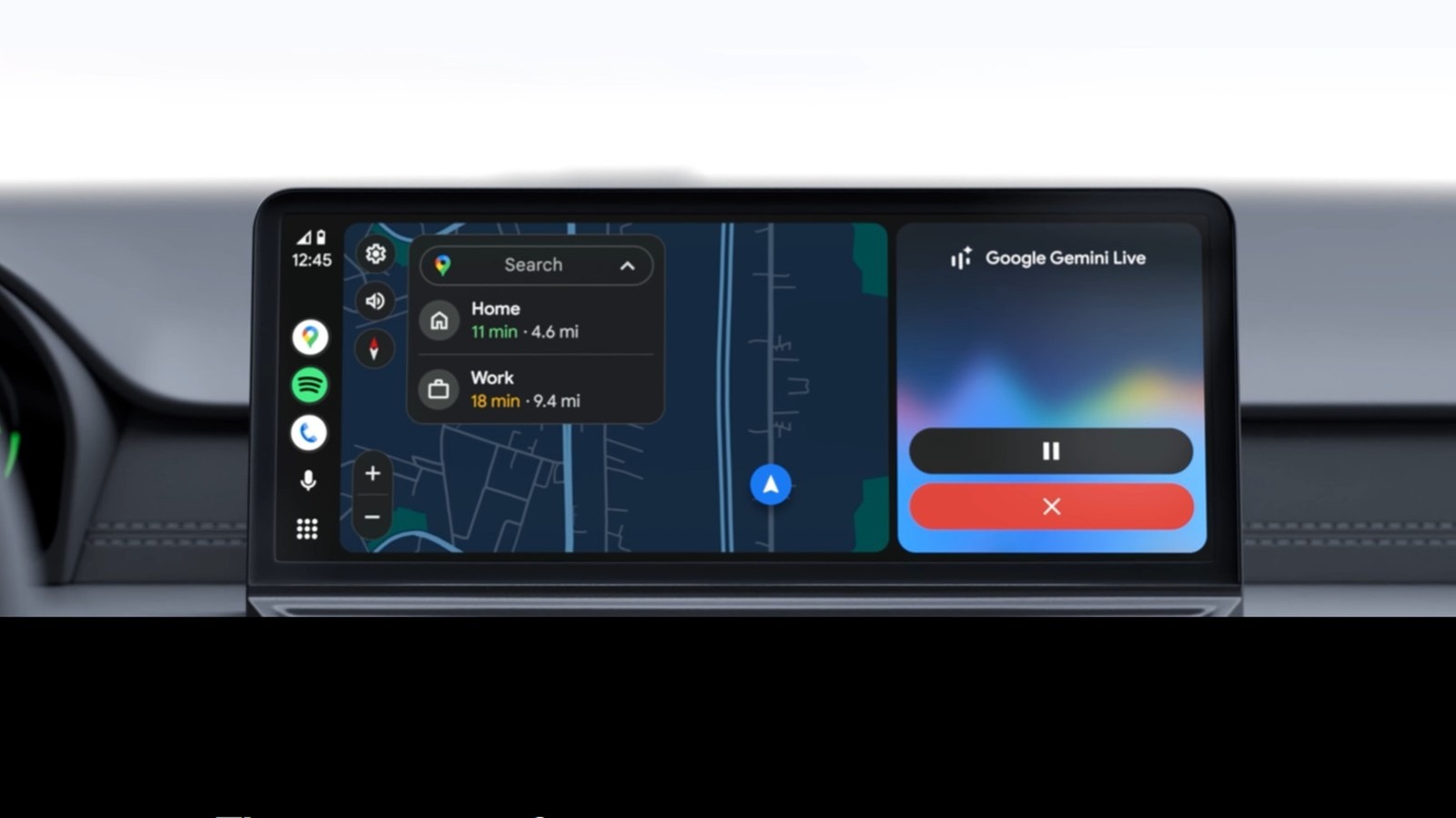
Wireless Android Auto delivers on its promise of convenience by eliminating the need to plug in your phone every time you drive, but it comes with notable tradeoffs. The article highlights issues such as increased battery drain, occasional connection instability, and the need for compatible hardware, which can make the wireless experience less seamless than the wired alternative. While the freedom from cables is appealing, users must weigh these practical drawbacks against the convenience, especially on longer trips or with older vehicles.
A
Ada Circuit
Magazine AI commentary
The shift to wireless Android Auto mirrors a broader trend in tech: cutting the cord often brings both liberation and hidden costs. On paper, wireless connectivity is the obvious evolution—no more fumbling with cables, no more worn-out ports, and a cleaner dashboard. But as this article from Engadget points out, the reality is more nuanced. Battery drain becomes a constant concern, and the occasional drops or latency issues remind us that wireless protocols still haven't fully matched the reliability of a physical connection.
This tradeoff is emblematic of the current state of automotive tech. Automakers and Google are pushing toward a fully connected, cable-free cabin, yet the infrastructure—both hardware in cars and the underlying wireless standards—is still catching up. For early adopters, the convenience is real, but it often requires a tolerance for imperfection that wired users never had to consider. The article’s balanced take is refreshing in a tech landscape that often oversells "wireless everything" as an unqualified win.
From a consumer perspective, the decision isn't just about personal preference—it's about understanding the ecosystem you're buying into. A phone that supports wireless Android Auto, a car with the right receiver, and a reliable Wi-Fi or Bluetooth environment all need to align. That's a lot of variables compared to a simple USB cable. As the technology matures, these issues will likely fade, but for now, the article serves as a practical reminder that "convenience" is a spectrum, not a binary.
The broader lesson here applies beyond cars: every wireless transition—from headphones to charging—has involved similar growing pains. The key is knowing when the tradeoff is worth it. For short commutes and tech-savvy drivers, wireless Android Auto might be a joy. For road-trippers or those with older vehicles, the wired option might still be the smarter, more reliable choice. Engadget’s coverage captures this nuance well, giving readers the information they need to make an informed decision rather than just hype.
Source: [Engadget article](https://www.engadget.com/2248846/pros-and-cons-wireless-android-auto/)
📌 Read the real article ↗via Engadget · Engadget