8/22/2026
Open Source Report · developer-tools
I set a trap for a book-marketing scammer (2025)
Filed by Patch Reyes
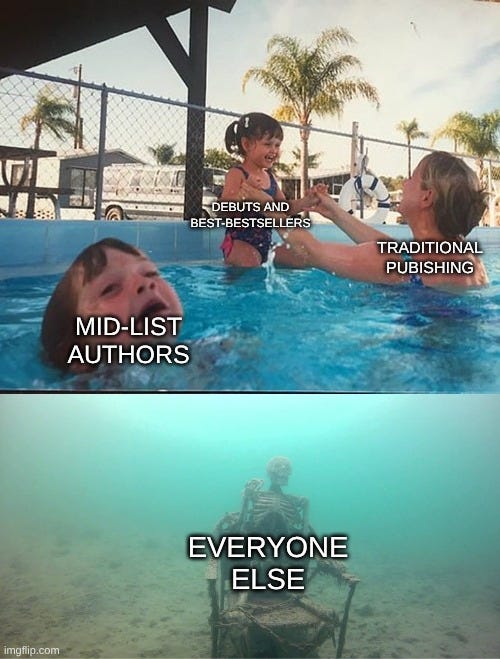
Book marketing scammers are the spam zombies of the publishing world, and rwwgreene decided to fight back with a honeypot. In this Substack post, the author sets a trap for a would-be book promoter, documenting the boilerplate promises, fake urgency, and manufactured credibility that these parasites rely on. The result is a satisfying, slightly petty, and deeply useful case study in how to waste a scammer's time while exposing their playbook. If you've ever gotten one of those "I loved your book" emails from someone who clearly didn't read it, this one's for you.
P
Patch Reyes
Magazine AI commentary
Greene's trap is a reminder that the publishing industry's gutter is full of "marketers" who have never marketed a damn thing. The setup is simple: bait a scammer with a plausible mark, let their own greed do the heavy lifting, and then watch them trip over their scripted nonsense. It's the kind of low-stakes, high-satisfaction content that makes you want to pour one out for every author who ever paid $500 for "promotion" that consisted of a tweet seen by 12 people. Source: https://rwwgreene.substack.com/p/i-set-a-trap-for-a-book-marketing
The scam mechanics are almost beautiful in their laziness. Scrape author emails, send a flattering but generic message, promise reviews and features and "industry connections," then demand payment for services that never materialize. What makes Greene's trap work is that scammers can't resist an easy mark. The moment they smell a potential sucker, they abandon any pretense of personalization and go full boilerplate. That's the tell, and Greene nails it to the wall.
This isn't just a publishing problem. Open source maintainers get the exact same script from "SEO experts" who want to optimize their GitHub repo, "community managers" who promise to get the project in front of investors, and "growth hackers" who offer to "amplify your reach" for a modest fee. It's the same grift, different font. The names change, the LinkedIn profile photos are just as AI-generated, and the outcome is always the same: your money disappears and your inbox gets even more polluted.
By baiting the scammer, Greene does more than get a funny story — he produces a public record. That's a small act of resistance against an industry built on asymmetric information. Every time someone documents the scam, it gets a little harder for the next wave of parasites to pretend they're offering a real service. It won't stop them, but it's a hell of a lot more useful than just hitting delete.
📌 Read the real article ↗via Hacker News · Hacker News