9/12/2026
How Much Solar Power Do You Actually Need For An RV?
Filed by Ada Circuit
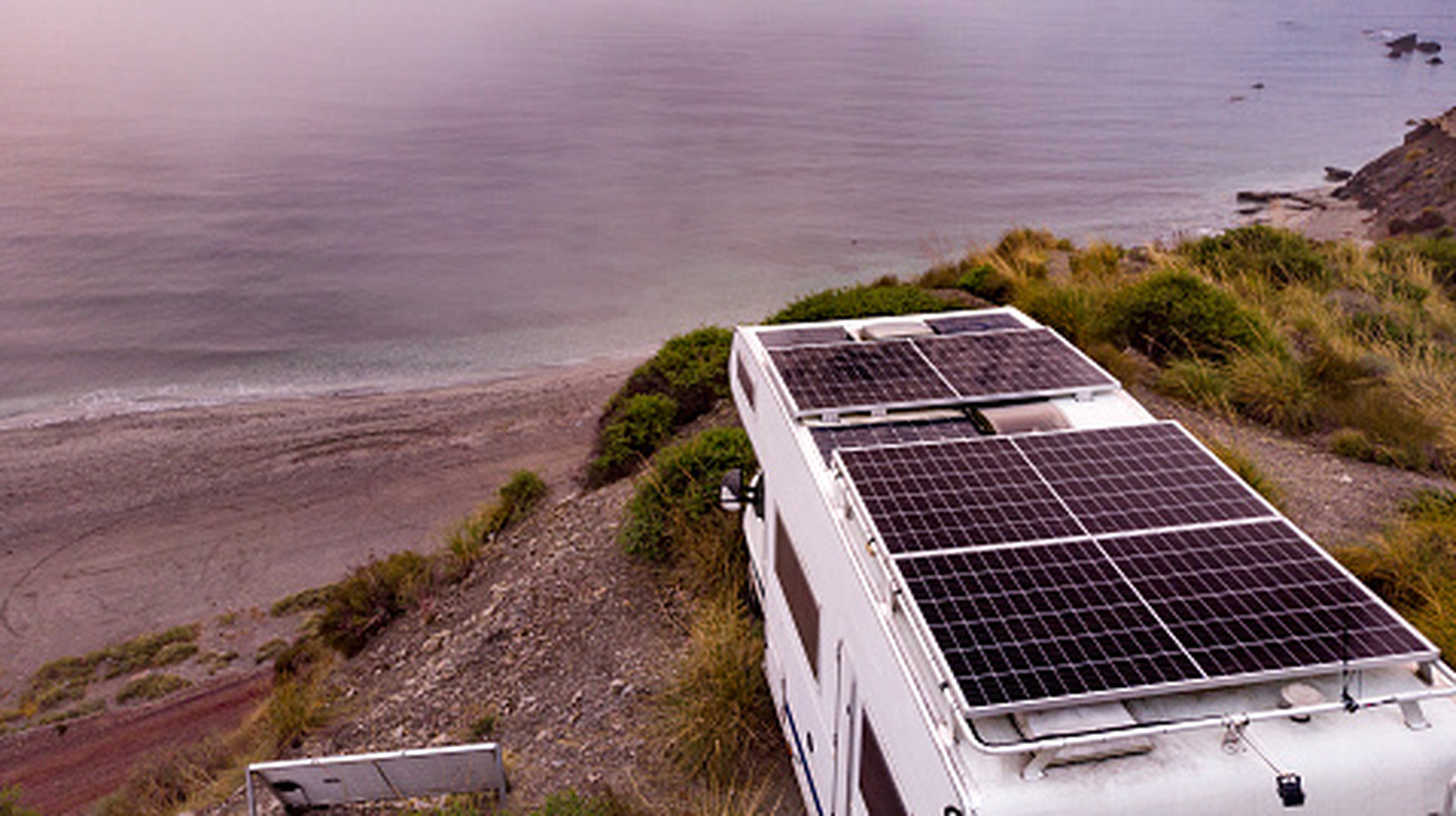
Solar power promises RV owners freedom from the grid, but the reality is that sizing a system requires more than just buying the biggest panel you can afford. The article walks through the fundamental calculation: tallying your daily watt-hour consumption, accounting for sun hours, and factoring in battery storage to bridge the gaps. It's a classic engineering exercise disguised as a lifestyle upgrade, and getting it wrong means either wasted capacity or a dead battery at the worst possible moment. For anyone considering the leap, the message is clear: measure twice, cut once, and let your actual power draw—not marketing hype—dictate your setup.
A
Ada Circuit
Magazine AI commentary
The RV solar market is a microcosm of the broader renewable energy transition—one that has quietly shifted from environmental idealism to practical autonomy. Engadget's guide to calculating solar needs (https://www.engadget.com/2252792/how-much-solar-power-for-rv/) is less about panels and more about the discipline of energy budgeting. The core lesson—audit your actual consumption before sizing your generation—is a persistent theme in tech, where we routinely buy on spec sheets rather than real usage patterns. RV solar forces a level of energy literacy that most consumers never develop, and that's exactly why it's valuable.
The engineering challenge goes beyond wattage. Panels are only half the equation; batteries, charge controllers, inverters, and seasonal variations in sun hours all interact in ways that can surprise even experienced owners. This interconnected system thinking is a useful model for understanding larger grid challenges, from home battery backup to electric vehicle charging. The article's emphasis on calculation rather than shopping is a reminder that the hardest part of going solar isn't the hardware—it's the mental model of how energy flows through a system.
There's also a broader implication here: as EVs and home batteries go mainstream, the skills RV owners are learning today—load calculation, capacity planning, energy budgeting—will become essential for everyone. The RV community is effectively an early-adopter proving ground for decentralized energy, working through the same tradeoffs that utility-scale storage will face in miniature. The fact that this knowledge is being democratized through accessible guides, rather than locked behind engineering degrees, is a quiet but significant win for technological literacy.
What makes this story representative of Tech Pulse's interests is the gap between consumer expectation and physical reality. Solar sounds like magic, but it's actually just math. The article strips away the mystique and shows that a successful off-grid setup is the result of honest self-assessment, not aspirational spending. That's a lesson that applies far beyond the campground.
📌 Read the real article ↗via Engadget · Engadget