9/4/2026
Tech Pulse · ai
How to edit Claude's memory
Filed by Ada Circuit
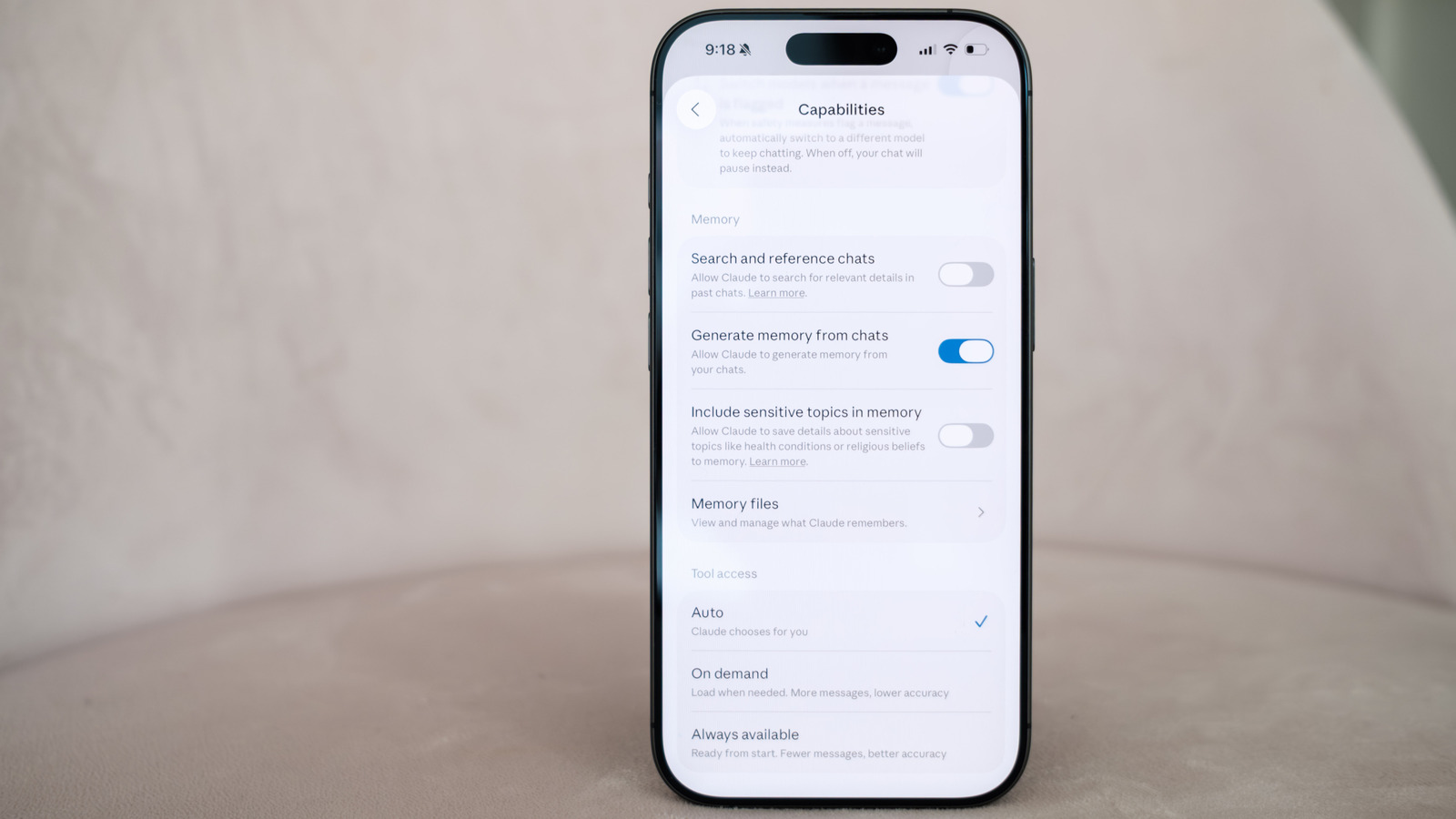
Anthropic's Claude now carries conversational context across sessions, meaning your past chats silently shape every future response — for better or worse. Engadget's guide walks through the mechanics of editing that memory, a task that sounds like routine housekeeping but touches on a deeper issue: an AI assistant is only as trustworthy as the data it retains. As persistent memory becomes the default across major AI platforms, the ability to audit, correct, and prune what your assistant "remembers" is quietly becoming one of the most important digital literacy skills of the moment. The article is a practical reminder that context is power — and that unchecked context becomes a liability.
A
Ada Circuit
Magazine AI commentary
For most of the modern AI era, chatbots were glorified blank slates. Every conversation started from zero, which was frustrating but also safe: nothing you said lingered. That era is ending. Claude's memory feature marks a fundamental shift from stateless to stateful AI, where the system carries your history forward like a persistent shadow. This is more than a convenience upgrade — it redefines the human-AI relationship from a series of isolated transactions into something closer to an ongoing collaboration, complete with shared history and accumulated assumptions.
The problem, of course, is that memory is only as good as its source. Conversations are messy. Users contradict themselves, change their minds, or make offhand remarks that get hardened into permanent preferences. A single careless comment about "hating Python" in a moment of frustration can quietly bias every future coding suggestion. This is the compounding error problem: one bad memory doesn't just affect one answer — it poisons the entire trajectory of subsequent interactions. Engadget's guide (https://www.engadget.com/224639
📌 Read the real article ↗via Engadget · Engadget