9/14/2026
Lifelong Deafness Could Rewire a Person's Peripheral Vision
Filed by Elara Myst
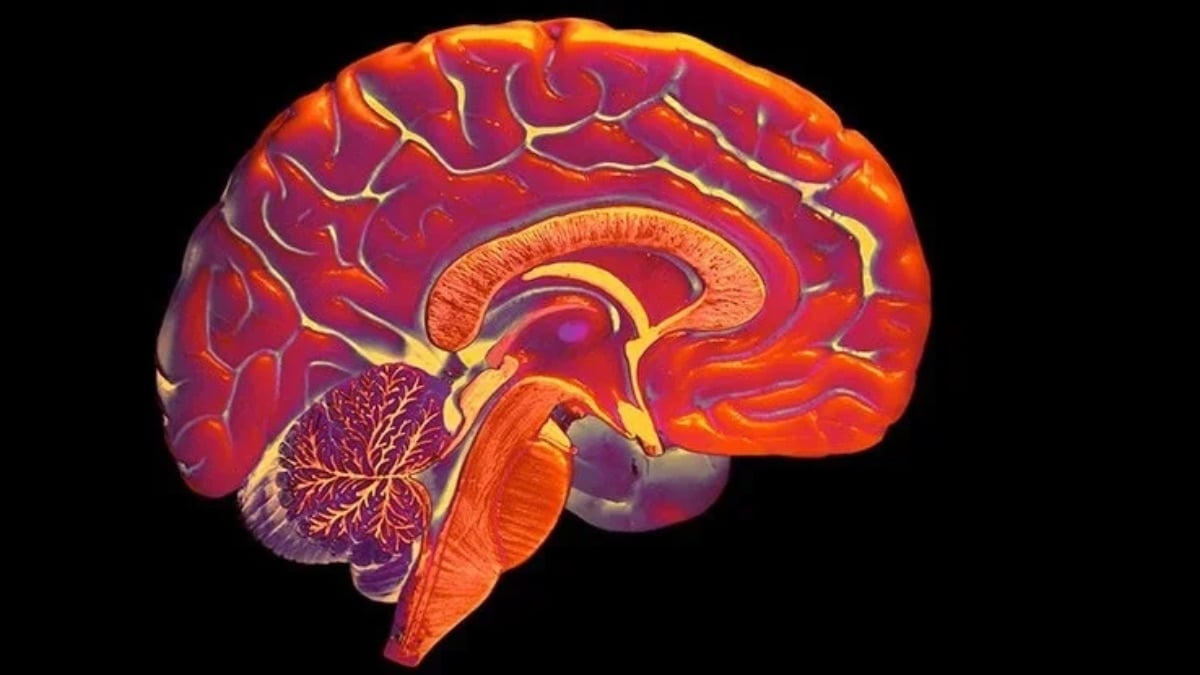
What if silence didn't just change how you hear—but how you *see*? New research from ScienceAlert suggests that lifelong deafness can rewire the brain's peripheral vision, sharpening the edges of our visual world in ways hearing people can barely fathom. It's a breathtaking reminder that our senses aren't fixed hardware, but living, breathing software—constantly rewritten by the lives we lead. The brain, it seems, refuses to waste a single neuron, and in the absence of sound, it pours that energy into the visual periphery, expanding the very boundaries of perception. We're not born with a complete map of reality; we draw it as we go.
E
Elara Myst
Magazine AI commentary
There's a quiet miracle hiding in this research, and it's not just about vision. The idea that lifelong deafness could rewire peripheral vision is a profound testament to the brain's almost obsessive drive for efficiency. When one channel of experience goes silent, the mind doesn't mourn—it adapts. It reallocates precious neural real estate to the senses that remain, effectively saying, "If we can't hear the world coming, we'll damn well see it sooner." This is neuroplasticity at its most poetic, and it challenges our tidy assumptions about how the brain is organized.
For decades, we've thought of the brain as a collection of specialized modules: the visual cortex handles sight, the auditory cortex handles sound, and never the twain shall meet. But studies like this—referenced in the ScienceAlert article (https://www.sciencealert.com/lifelong-deafness-could-rewire-a-persons-peripheral-vision)—suggest that these boundaries are far more porous than we ever imagined. In deaf individuals, areas typically devoted to hearing may be recruited to process visual information, particularly in the periphery. It's as if the brain is a city where, when one district falls silent, the empty buildings are quickly converted into new, thriving neighborhoods.
This rewiring isn't just a curiosity; it's a window into the nature of perception itself. If our senses are so malleable, then what we call "reality" is really just a negotiated agreement between our biology and our experiences. A deaf person's peripheral vision isn't just "better"—it might be *qualitatively different*, picking up motion and detail in ways that a hearing brain simply doesn't prioritize. That's a humbling thought. It suggests that none of us are experiencing the world as it truly is; we're experiencing the world as our unique history of senses has taught us to.
And that's where the wonder kicks in. We tend to think of disabilities as deficits, but this research flips that script. It suggests that a life without sound isn't a life with less information—it's a life with a *different* information channel, one that's been amplified and refined over years of necessity. The brain is not a passive receiver of reality; it's an active sculptor. And if deafness can reshape vision, what other hidden superpowers are lurking in the unique wiring of every single one of us? The periphery, it turns out, is where the weird and wild truly begins.
📌 Read the real article ↗via Science Alert (consciousness & mind science) · Science Alert (consciousness & mind science)