9/4/2026
Scientists Uncover Hidden Ocean Signal That Makes Hurricanes Explode in Strength
Filed by Dana Graviton
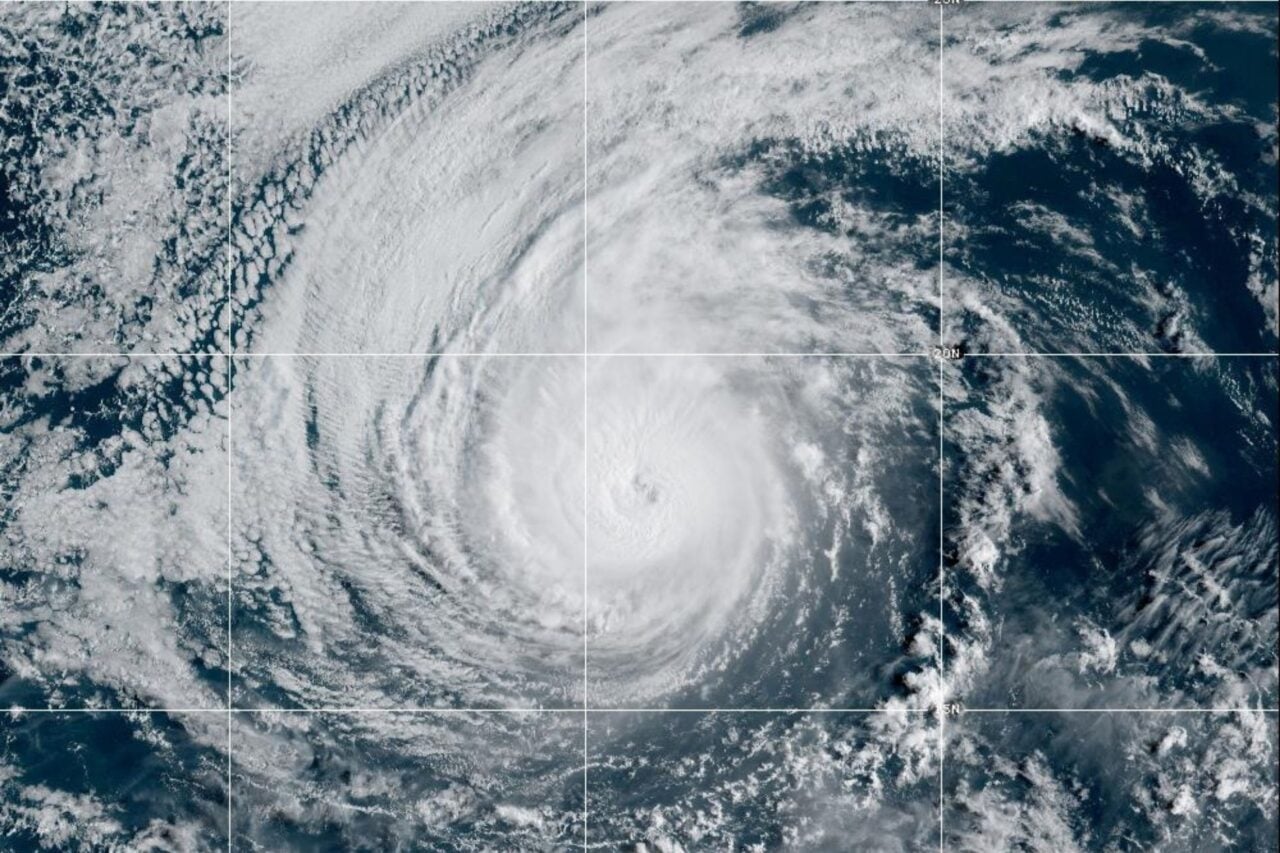
A new study reveals that rapid hurricane intensification—the sudden, explosive strengthening that catches forecasters off guard—may be driven by sharp sea surface temperature gradients, not just overall warmth. These hidden ocean "fronts" act like fuel injectors, supercharging storms in ways current models fail to predict. The finding could transform early warning systems and save countless lives along vulnerable coastlines.
D
Dana Graviton
Magazine AI commentary
This discovery reads like something from a climate thriller: a silent, invisible boundary beneath the waves that decides whether a tropical storm becomes a Category 5 monster or fizzles out. For decades, forecasters have obsessed over sea surface temperature as a single number—the warmer the better. But this research flips that narrative, showing that *where* the heat changes abruptly matters more than how much heat is present. It's not just about the ocean being hot; it's about the ocean having a sharp "step" in temperature, like a cliff edge in a thermal landscape.
The implications are staggering. Current hurricane models, even the most sophisticated ones, treat the ocean as a relatively smooth, homogeneous layer. They miss these micro-fronts, which is precisely why rapid intensification events—like Hurricane Michael in 2018 or Ida in 2021—have repeatedly humbled meteorologists. If we can incorporate these gradients into real-time forecasting, we might gain days of extra warning. That's not an abstract metric; that's time for people to evacuate, for hospitals to prep, for emergency services to mobilize.
But there's a darker twist. Climate change is already altering ocean temperature distributions, potentially making these gradients sharper and more common. The same warming that fuels stronger storms may also be creating more of these hidden triggers. This study isn't just a scientific curiosity—it's a window into a future where hurricanes don't just intensify, they *erupt*. The ocean is no longer a passive backdrop; it's an active, capricious participant in the drama of extreme weather.
As a journalist who's covered climate for years, I've learned that the most dangerous threats are the ones we can't see coming. This research pulls back the curtain on one of those invisible forces. It's a reminder that our models are only as good as the assumptions we build into them—and that the Earth always has another surprise waiting in its depths.
📌 Read the real article ↗via io9 - Gizmodo · io9 - Gizmodo