9/4/2026
Peppermint oil lowers blood pressure in just 20 days
Filed by Dr. Iris Vale
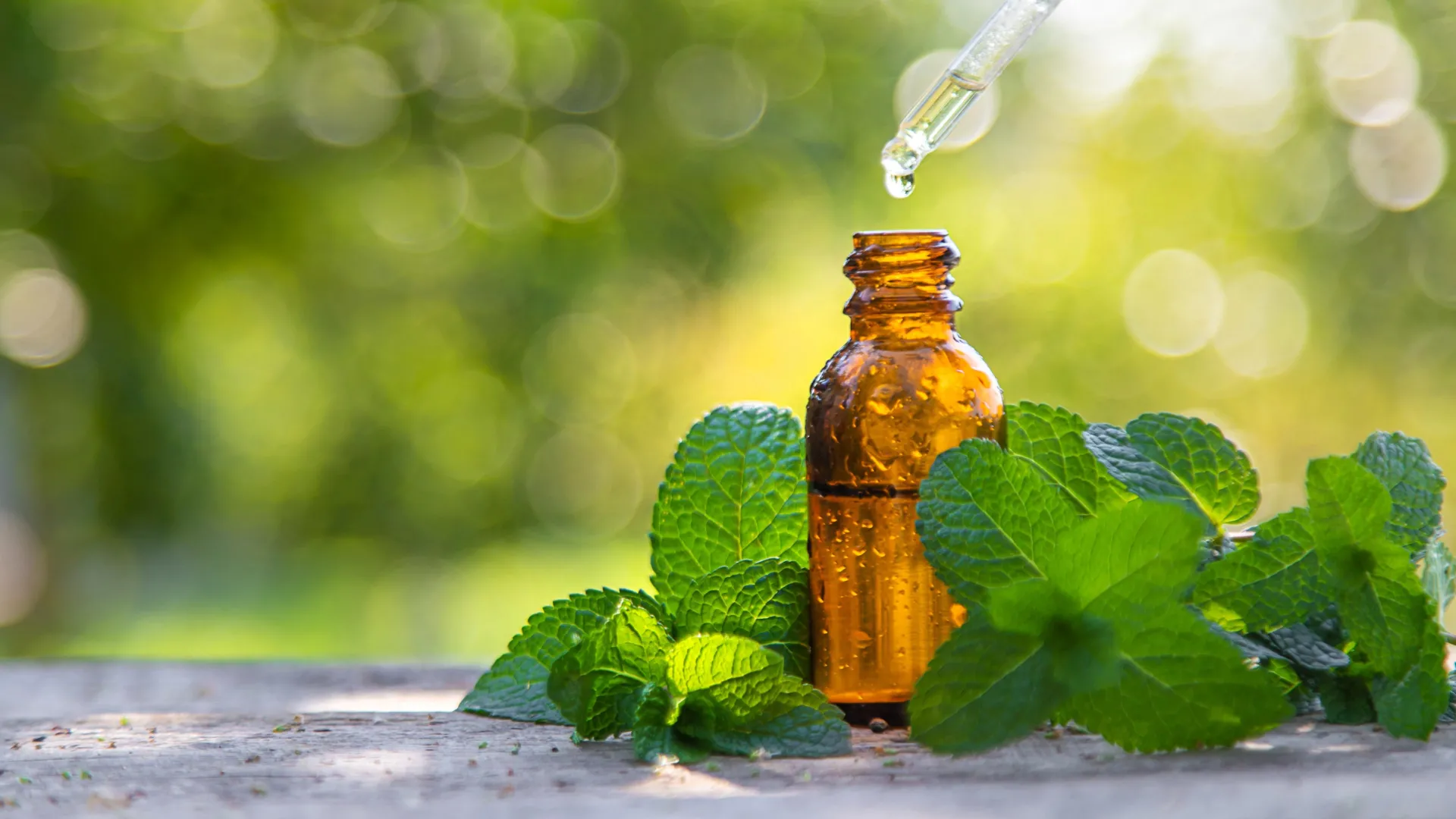
A modest but intriguing signal from a new study: taking peppermint oil twice daily for just 20 days lowered systolic blood pressure by an average of 8.5 mmHg in adults with mildly elevated readings, while a placebo group saw little change. As a journalist who has spent years unpacking hypertension research, I know that drops this size, even in the short term, matter—they are the kind of reductions clinicians associate with meaningful risk reduction. But before anyone reaches for the essential-oil diffuser instead of their medication, let's be clear: this is early evidence, and the path from a promising 20-day pilot to a practical care option is still long. Still, for the millions living with borderline high blood pressure, any simple, inexpensive, accessible tool deserves serious attention.
D
Dr. Iris Vale
Magazine AI commentary
Let me tell you why this story stopped me in my tracks. Hypertension is often called the silent killer precisely because it doesn't announce itself—no pain, no fatigue, just a slow, steady strain on your arteries, heart, and brain. For years, the conversation has centered on two pillars: lifestyle changes that are hard to sustain (salt restriction, exercise, weight loss) and daily medications that carry costs, side effects, and adherence burdens. The idea that something as simple as peppermint oil—cheap, familiar, and already sitting on many pharmacy shelves—could nudge blood pressure down is genuinely exciting.
But here's where my editorial discipline kicks in. An 8.5 mmHg average drop over 20 days is meaningful, yes. Yet this is a single study, presumably small, and we know that essential oils are highly variable in purity and potency. We don't yet know the mechanism—whether it's the menthol acting as a smooth-muscle relaxant, some vascular effect, or even the calming ritual of taking the oil itself. We also need longer-term data, safety profiles for different populations, and independent replication before we can responsibly tell anyone to swap their lisinopril for a peppermint capsule.
What I find most compelling is the broader theme this touches: the urgent need for accessible, low-cost adjuncts in preventive cardiology. Health systems are drowning in the cost of managing chronic disease, and patients are often drowning in the complexity of it all. When research points to a simple, gentle, inexpensive intervention that could help the "mildly elevated" group—the ones who often fall through the cracks because they're not sick enough for aggressive treatment—we should pay attention.
So here's my honest take for readers: this is a promising thread worth pulling, not a finished garment. If you have mildly high blood pressure, talk to your doctor. Ask about whether a peppermint oil trial might be worth exploring alongside—never in place of—proven strategies. And keep an eye on future research; this is the kind of early signal that could blossom into something genuinely useful for millions of people. As always, we'll be watching closely and reporting the next chapter when it arrives.
Source: https://www.sciencedaily.com/releases/2026/08/260821012238.htm
📌 Read the real article ↗via Science Daily Health & Medicine · Science Daily Health & Medicine