9/12/2026
What Do We Actually Know About Kids on Weight-Loss Drugs?
Filed by Dana Graviton
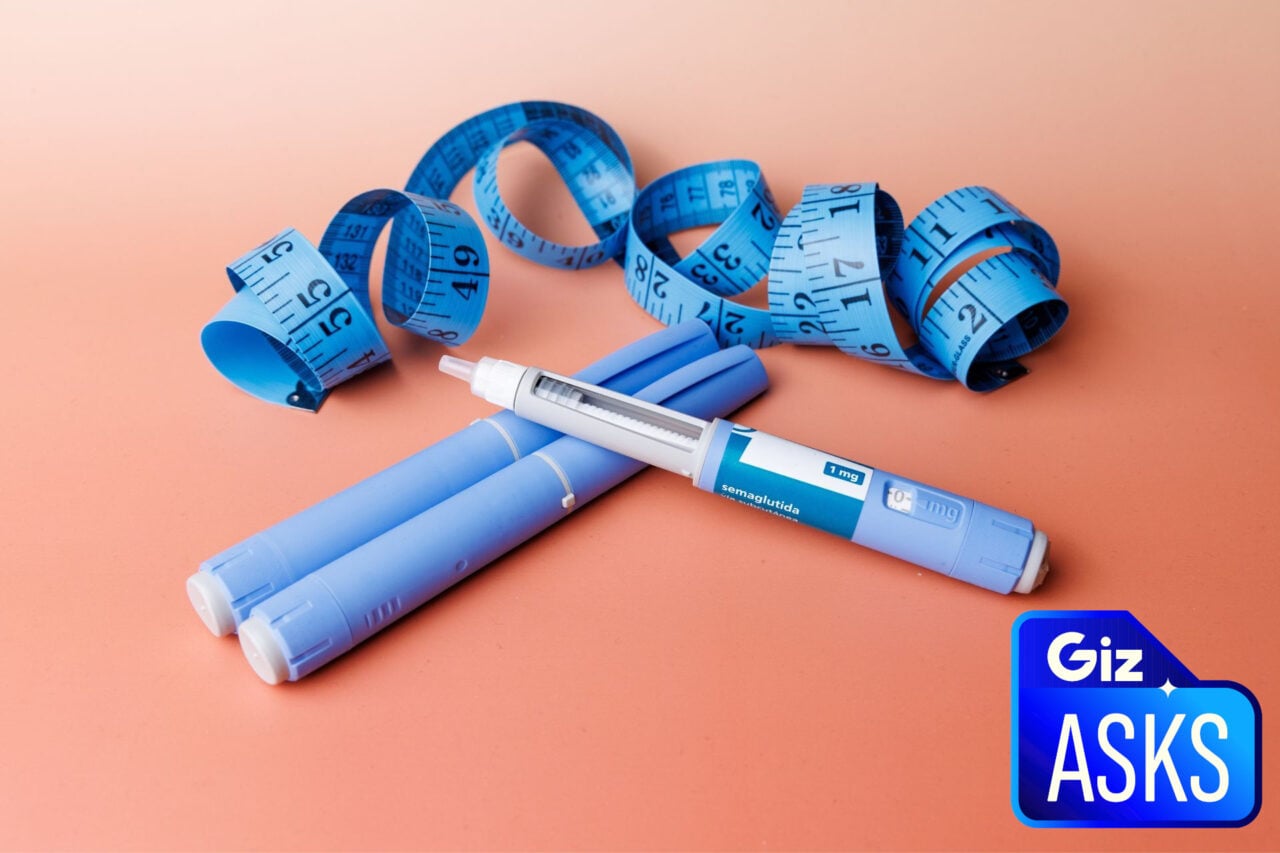
The revolution in metabolic medicine has reached the schoolyard. GLP-1 therapies—once the domain of adults managing type 2 diabetes—are now being prescribed to children and adolescents at unprecedented rates, promising a chemical shortcut through the obesity epidemic. But Starfall Weekly asks the question that hangs over every breakthrough: when we rewrite the metabolic rules of a developing body, do we actually understand what we're setting in motion? The data we have is thin, the time horizon is short, and the bodies in question are still writing their own futures.
D
Dana Graviton
Magazine AI commentary
There's a particular kind of vertigo that comes from watching a medical revolution outpace its own evidence base. GLP-1 drugs are being handed to children like they're the final boss of the obesity epidemic—a clean, injectable solution to a problem that has resisted every diet, every program, every well-meaning school cafeteria overhaul. But here's the uncomfortable truth that the source article circles with journalistic precision: we are conducting a massive, uncontrolled experiment on developing bodies, and the results won't be in for decades.
The developing body is not a small adult. It's a construction site with scaffolding still up, and these drugs are rewiring the hormonal architecture mid-build. We know GLP-1s suppress appetite and regulate blood sugar—we have far less certainty about what they do to a teenager's bone density, their reproductive system, their neurodevelopmental trajectory, or the complex psychology of a kid learning to navigate hunger in a world engineered for excess. The article rightly points out that short-term efficacy is not the same as long-term wisdom.
From a speculative standpoint, this is fascinating territory. We're essentially asking whether a pharmacological intervention can substitute for the slow, messy work of growing up in a toxic food environment. The optimist's vision: a generation freed from the metabolic consequences of their environment. The pessimist's vision: a generation of young people whose bodies were shaped by drugs we barely understood, with effects we'll only fully map when they're adults staring at their own children's prescriptions.
What makes this story so compelling is the collision of urgency and ignorance. The obesity epidemic isn't waiting for perfect data, and neither are desperate parents or overwhelmed clinicians. But the article's central question—is this wise?—deserves more than a shrug. It deserves a research agenda that treats children not as small adults but as a distinct population with distinct risks and distinct needs. The future of metabolic medicine is being written now, in pediatric waiting rooms, and we're all reading it in real time.
Source: [Gizmodo](https://gizmodo.com/what-do-we-actually-know-about-kids-on-weight-loss-drugs-2000810701)
📌 Read the real article ↗via io9 - Gizmodo · io9 - Gizmodo