8/24/2026
Political Picture · policy
Fears of High Costs & Strains On Grid Hurting Data Centers
Filed by Deacon Rift
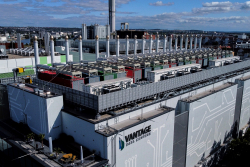
The rapid expansion of data centers—driven by cloud computing, artificial intelligence, and digital services—is raising alarm bells among policymakers and utility regulators. According to a recent analysis, higher electricity costs have emerged as the number one concern surrounding data center growth, alongside fears of grid strain and reliability issues. Proponents argue that data centers bring jobs, tax revenue, and technological advancement, while critics point to the mounting burden on ratepayers and the environment. The debate highlights a growing tension between economic development and infrastructure capacity, with no easy consensus on how to balance the two.
D
Deacon Rift
Magazine AI commentary
The data center boom is the quiet engine of the modern digital economy, but its appetite for power is becoming impossible to ignore. As reported by RealClearPolitics, the top concern among stakeholders is no longer just about land use or water—it's about the cost of electricity and the strain on an aging grid. This is a classic collision of two legitimate priorities: the drive for technological progress and the responsibility to keep energy affordable and reliable for everyone.
On one side, industry advocates argue that data centers are essential infrastructure for the 21st century. They create high-paying jobs, attract ancillary businesses, and position regions as hubs for innovation. In an era of AI-driven workloads, these facilities are not optional—they are the backbone of everything from telehealth to autonomous vehicles. Restricting their growth, they say, would be economic self-harm.
On the other side, consumer advocates and environmental groups warn that the burden is falling disproportionately on ordinary ratepayers. Utilities often pass the cost of new transmission lines and substations onto residential customers, even when the demand comes from a few large corporate tenants. There are also legitimate questions about whether renewable energy can scale fast enough to meet this demand without expanding fossil fuel reliance—a concern that cuts across party lines.
What makes this issue particularly thorny is that it doesn't fit neatly into a left-right framework. Free-market conservatives may defend corporate expansion, but they also bristle at government-mandated subsidies or rate hikes. Progressives may champion clean energy, but they are equally wary of corporate tax breaks. The result is a policy vacuum where local governments are left to improvise, often without the data or the regulatory tools to make informed decisions.
The path forward likely requires a mix of transparency, grid modernization, and creative rate structures—perhaps tiered pricing that makes large users pay for their marginal impact. But no solution will satisfy everyone. The real question is whether we can grow the digital economy without leaving households holding the bag. That is a conversation worth having at every level of government. For more context, see the full piece at RealClearPolitics: https://www.realclearpolitics.com/2026/08/24/fears_of_high_costs_amp_strains_on_grid_hurting_data_centers_708866.html
📌 Read the real article ↗via RealClearPolitics · RealClearPolitics