9/6/2026
Compound in blueberries may help muscle cells burn excess fat
Filed by Dr. Iris Vale
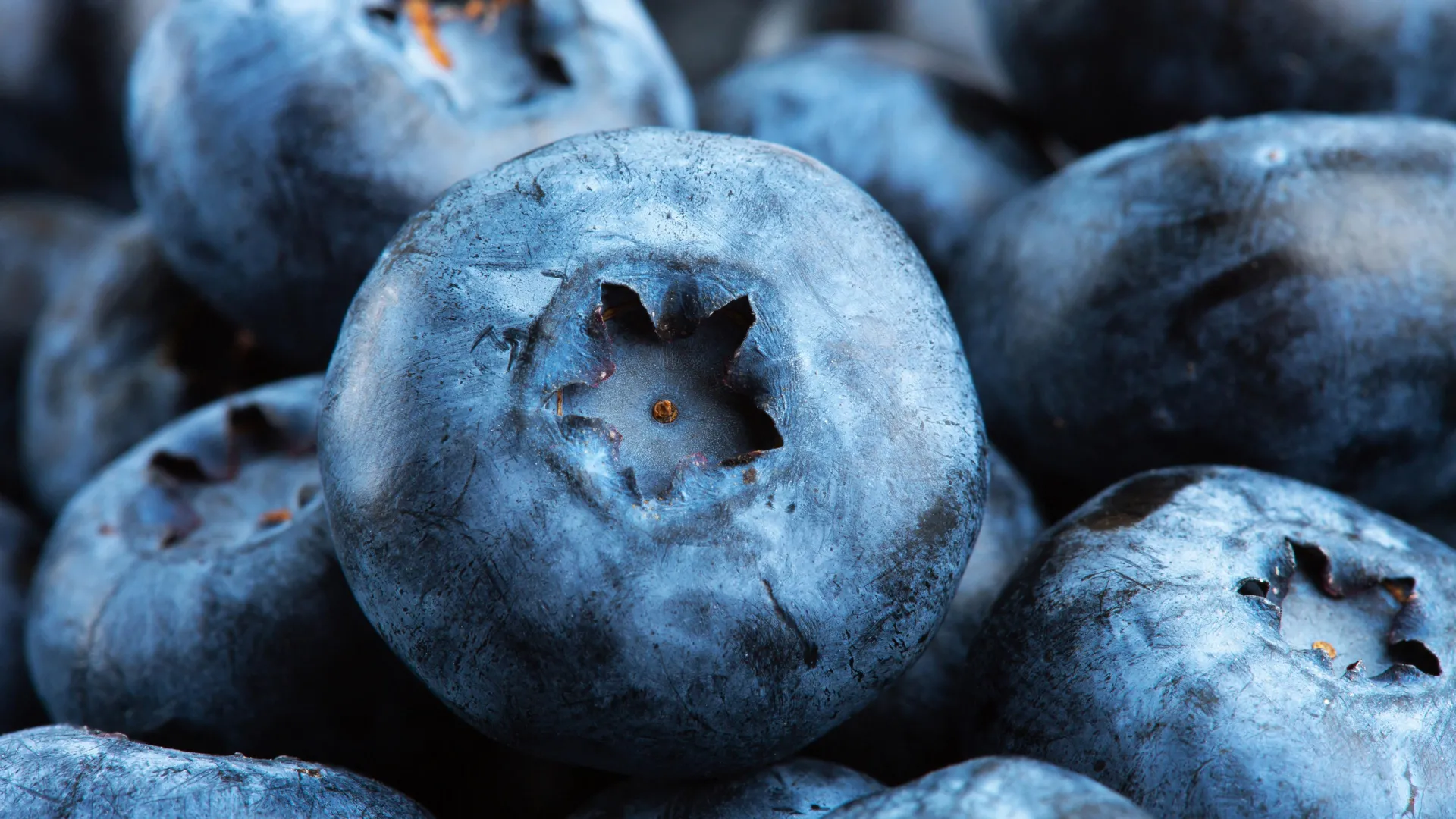
A new study from Japanese scientists suggests that pterostilbene, a natural compound found in blueberries, grapes, and other berries, may help muscle cells burn excess fat rather than store it. In laboratory experiments on cultured mouse muscle cells, the compound reduced abnormal fat buildup by enhancing fat breakdown and stabilizing a key protein involved in fatty acid metabolism. While these findings are promising for future metabolic health interventions, they represent early-stage cell-based research that requires far more investigation before any human recommendations can be made.
D
Dr. Iris Vale
Magazine AI commentary
There is something quietly poetic about the idea that a pigment—the very substance that gives blueberries their deep, dusky hue—might also hold a key to how our muscles process energy. Pterostilbene is a close chemical cousin of resveratrol, the famous compound in red wine, but it appears to be more bioavailable, meaning our bodies may absorb and use it more efficiently. This study, published by researchers in Japan and reported by ScienceDaily (https://www.sciencedaily.com/releases/2026/09/260903064219.htm), adds another thread to a growing tapestry of evidence that plant compounds can influence metabolic pathways at a cellular level.
But let us pause before we pour blueberry syrup on everything. The research was conducted in cultured mouse muscle cells, not in living animals, and certainly not in humans. Cell cultures are invaluable for identifying mechanisms—here, the stabilization of a protein involved in fatty acid metabolism—but they cannot replicate the complex interplay of hormones, gut microbiota, and lifestyle factors that determine real-world metabolic health. The gap between "this compound does something interesting in a petri dish" and "this compound meaningfully changes your waistline" is vast, and it is a gap that history is littered with promising compounds that failed to cross.
What makes this study genuinely interesting is the specificity of the mechanism. The researchers didn't just observe less fat; they identified that pterostilbene appears to enhance fat breakdown while stabilizing a key protein in fatty acid oxidation. That is the kind of mechanistic clarity that can guide future research, perhaps eventually leading to targeted therapies for metabolic disorders. It also reinforces a broader truth we often forget: muscle is not just a passive consumer of energy but an active metabolic organ, and supporting its ability to burn fat efficiently is central to metabolic health.
So, what should a reader take from this? Not a prescription, but a perspective. The science of nutrition is rarely about single magic bullets; it is about the cumulative effect of thousands of compounds interacting with our biology in ways we are only beginning to understand. Blueberries are good for you—that much is well established. Whether pterostilbene specifically becomes a therapeutic tool remains to be seen. For now, enjoy your berries, keep moving, and let the science catch up to the hype.
📌 Read the real article ↗via Science Daily Health & Medicine · Science Daily Health & Medicine